
Out-of-State Car Registration — New York
Free to compare
The Insurance-Before-Registration Catch
You have a car titled in another state. You need to register it in New York. The DMV will not process the registration without proof of New York insurance. Your current carrier may not write New York policies, or they require a New York address before they will bind coverage. You cannot get a New York address on the policy until you establish residency, and you cannot register the car until you have the insurance. This is the procedural loop that stops most people.
New York enforces insurance compliance through an electronic verification system. The carrier transmits coverage directly to the DMV, and you carry the NYS Insurance Identification Card as proof. The DMV checks this system when you register the vehicle. No valid New York insurance on file means no registration, no matter what coverage you held in your prior state.
“The DMV checks the electronic system in real time — no valid New York insurance on file means no registration, no matter what coverage you held in your prior state.”

Meet New York's Requirements Without Overpaying
Get My New York Car Insurance Quote$25,000 / $50,000 / $10,000
New York Minimum Liability
New York requires $25,000 bodily injury per person, $50,000 bodily injury per accident, and $10,000 property damage. Personal injury protection and uninsured motorist coverage are also mandatory. Your out-of-state policy does not satisfy New York's requirements until you convert it or bind a new New York policy.
New York State Department of Motor Vehicles
What New York Actually Requires
New York law requires liability coverage, personal injury protection, and uninsured motorist coverage on every registered vehicle. The minimum liability limits are $25,000 per person for bodily injury, $50,000 per accident for bodily injury, and $10,000 for property damage. These limits apply the moment you register the vehicle, not when you move here or buy the car.
The state does not recognize out-of-state insurance as proof of New York compliance. If you hold a policy issued in another state, that policy does not satisfy New York's registration requirement. You must bind a New York policy with a carrier licensed to write in New York before the DMV will process your registration application.
The Insurance Identification Card is the only proof the DMV accepts. This card is issued by your New York carrier after they transmit your coverage information to the state's electronic verification system. You cannot register the vehicle with an insurance card from another state, a binder letter, or a declaration page. The DMV checks the electronic system in real time.
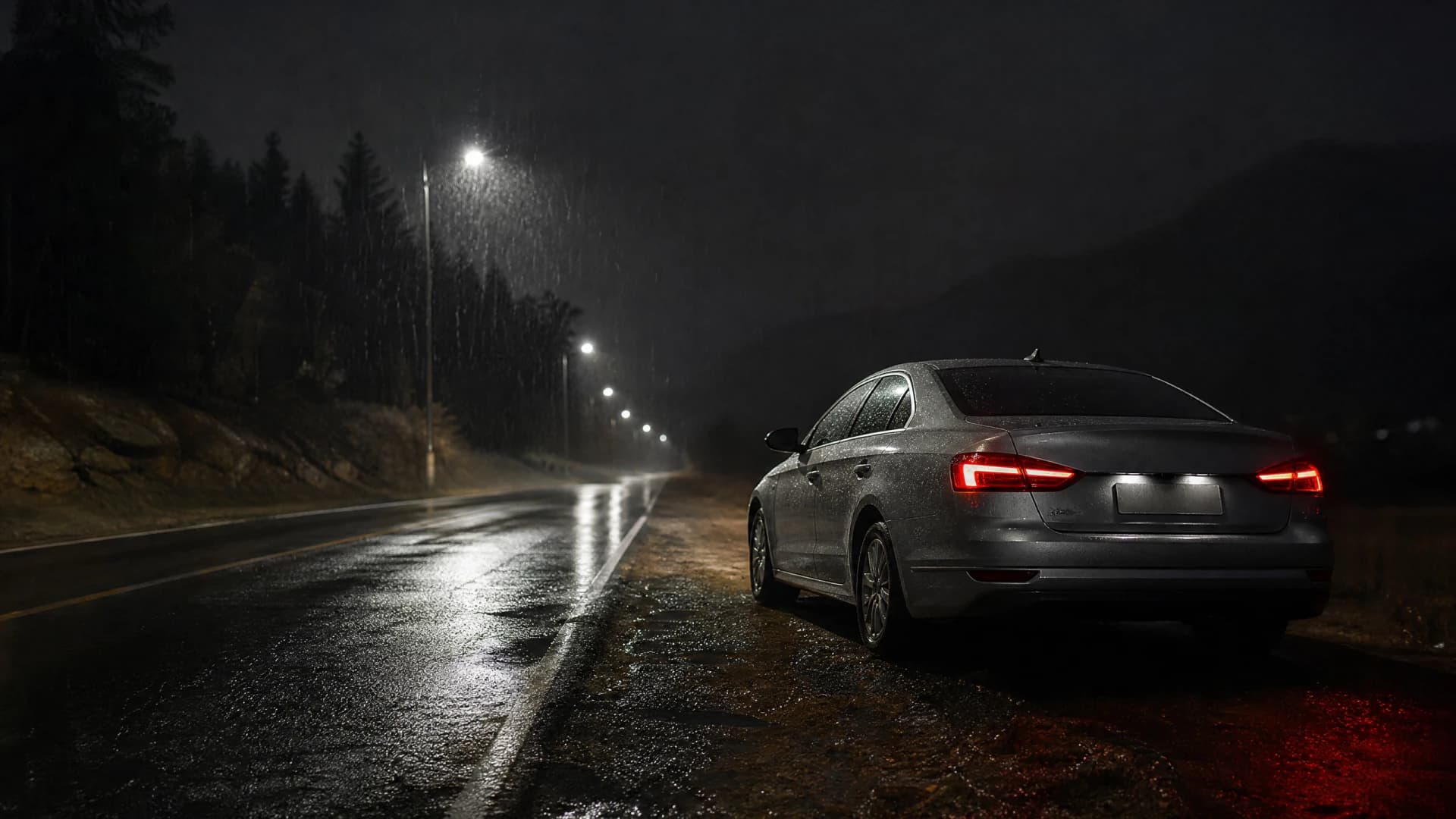
The DMV will not register an out-of-state vehicle until a New York carrier has transmitted coverage to the state's electronic verification system and issued you the NYS Insurance Identification Card.

When Your Current Carrier Does Not Write New York Policies
If your current carrier does not operate in New York, you must switch carriers before you register the vehicle. Call your current carrier and ask whether they write New York policies. If they do not, ask for the cancellation process and the effective date. You want the cancellation to take effect the same day your New York policy binds, so you do not have a coverage gap.
Shop for a New York carrier before you cancel your current policy. Get quotes from multiple carriers, compare coverage and cost, and bind the policy that fits your household. Once the new carrier confirms coverage and transmits your information to the state, cancel your prior policy. Most carriers prorate the refund if you cancel mid-term. You do not owe a penalty for switching carriers when you move to a new state.
Some carriers write policies in multiple states and will convert your existing policy to a New York policy without requiring you to cancel and re-bind. Ask your current carrier whether they offer this option. If they do, the conversion is faster than switching carriers, and your policy number and coverage history carry over. If they do not, follow the cancellation and re-bind process above.
15 carriers
New York Multi-Vehicle Carriers
At least 15 major carriers write multi-vehicle policies in New York, including Geico, Progressive, State Farm, Allstate, Farmers, Liberty Mutual, Nationwide, Travelers, USAA, Hartford, Erie, CSAA, Amica, Mercury General, and National General. If you are registering more than one out-of-state vehicle, ask each carrier about their multi-car discount and same-policy requirements.
Carrier rosters verified via state licensing records
Registering Multiple Out-of-State Vehicles
If you are moving to New York with more than one vehicle, register all of them on the same New York insurance policy before you go to the DMV. The multi-car discount requires every vehicle to sit on the same policy, and most carriers will not apply the discount if you register the vehicles on separate policies or at different times. Bind coverage for all vehicles at once, wait for the carrier to transmit all VINs to the state's verification system, and bring all Insurance Identification Cards to the DMV when you register.
The DMV processes each registration separately, but the insurance verification happens in real time for each vehicle. If one vehicle's coverage has not yet transmitted to the system, the DMV will not register that vehicle even if the others clear. Call your carrier before you go to the DMV and confirm that all vehicles appear in the state's electronic system. This step prevents wasted trips.
What Happens If You Register Before You Insure
You cannot register an out-of-state vehicle in New York without proof of New York insurance. The DMV checks the electronic verification system at the counter. If your coverage has not transmitted, or if you present an out-of-state insurance card, the DMV will refuse the registration application. You will need to leave, bind a New York policy, wait for the carrier to transmit your coverage, and return with the Insurance Identification Card.
Some people try to register the vehicle with their out-of-state insurance still active, planning to switch to a New York policy later. This does not work. New York law requires New York insurance at the time of registration. The DMV will not accept an out-of-state card, and driving an unregistered vehicle in New York is a traffic violation. Bind the New York policy first, then register. That order is not negotiable.
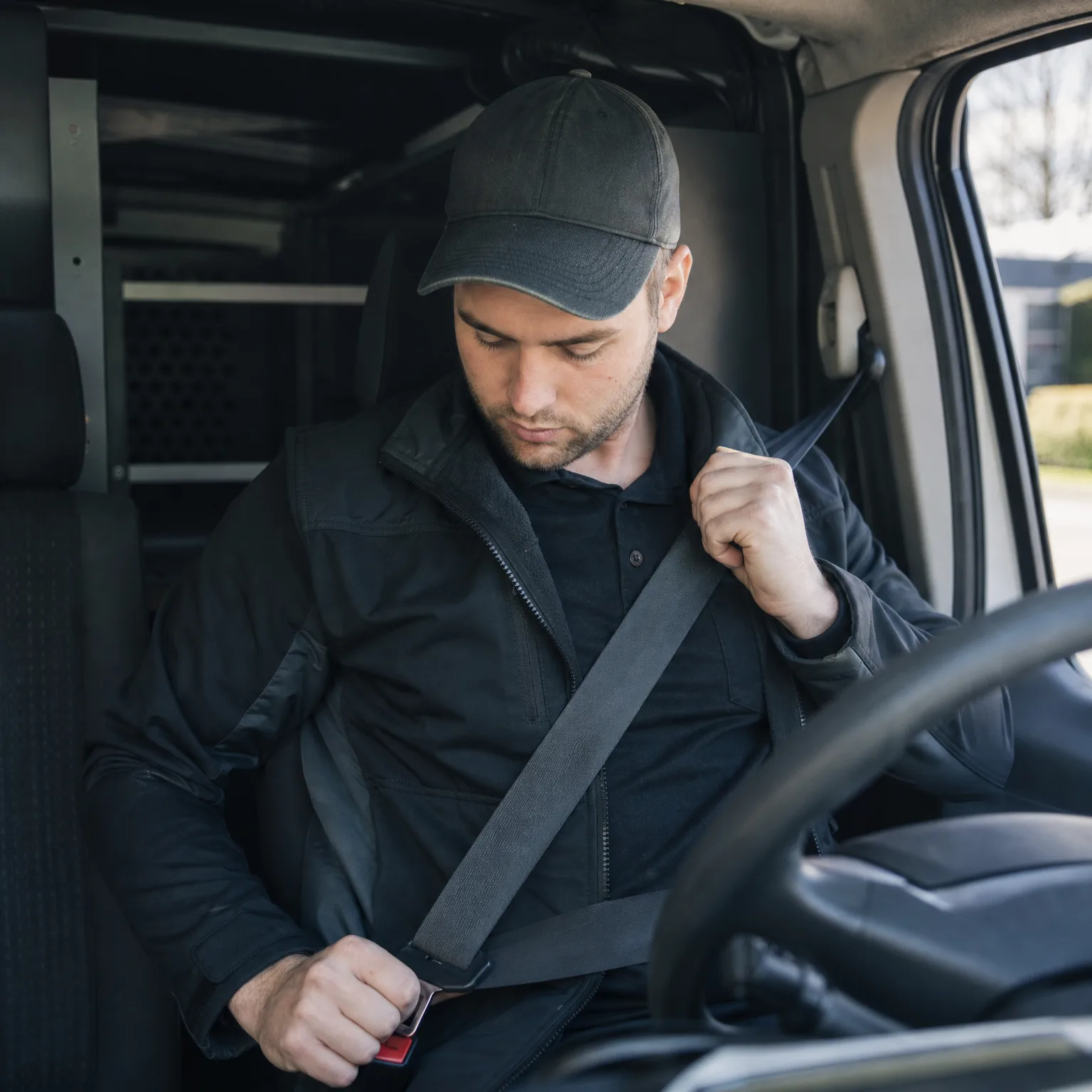
Next Step: Bind Coverage and Get the Insurance Card
Call a carrier licensed in New York, provide the out-of-state title and VIN, and bind coverage. Once the carrier transmits your information to the state's electronic verification system and issues the Insurance Identification Card, take the card and the title to the DMV and register the vehicle. If you are registering more than one car, bind all of them on the same policy before you go. The sequence is insurance first, registration second. Follow that order and the process takes one trip.
The Correct Sequence: Insurance First, Then Registration
Contact carriers licensed to write in New York. You need a carrier that will bind coverage on a vehicle not yet registered in the state. Most national carriers write New York policies: Geico, Progressive, State Farm, Allstate, Farmers, Liberty Mutual, Nationwide, and Travelers all operate here. Provide the vehicle identification number, the out-of-state title, your New York address or the address where the car will be garaged, and your driver's license. The carrier will quote and bind coverage immediately if you meet their underwriting criteria.
Once the carrier binds the policy, they transmit your coverage information to New York's electronic verification system within 24 to 48 hours. You receive the NYS Insurance Identification Card by mail or electronically, depending on the carrier. This card is your proof of insurance. Take the card, the out-of-state title, proof of identity, proof of New York residency, and the registration fee to the DMV. The DMV verifies your coverage in the electronic system and processes the registration. You leave with New York plates and a registration certificate.
Get Your Free Quote
Get My New York Car Insurance QuoteFrequently Asked Questions
Can I register an out-of-state car in New York with my current insurance?
No. New York requires proof of New York insurance before the DMV will register an out-of-state vehicle. Your current out-of-state policy does not satisfy New York's registration requirement. You must bind a New York policy with a carrier licensed in the state, wait for the carrier to transmit your coverage to the electronic verification system, and bring the NYS Insurance Identification Card to the DMV.
How long does it take for insurance to show up in New York's system?
Most carriers transmit coverage information to New York's electronic verification system within 24 to 48 hours after binding the policy. Call your carrier before you go to the DMV and confirm that your vehicle appears in the system. If the transmission has not completed, the DMV will not register the vehicle.
What documents do I need to register an out-of-state car in New York?
You need the out-of-state title, the NYS Insurance Identification Card, proof of identity, proof of New York residency, and the registration fee. The DMV verifies your insurance in the electronic system at the counter. If your coverage has not transmitted, the DMV will refuse the registration application.
Do I need to cancel my out-of-state insurance before I register in New York?
Yes, if your current carrier does not write New York policies. Bind a New York policy first, wait for the carrier to transmit your coverage to the state, then cancel your out-of-state policy effective the same day. Most carriers prorate the refund if you cancel mid-term.
Can I register multiple out-of-state vehicles on one trip to the DMV?
Yes, if you bind coverage for all vehicles on the same New York policy before you go. The DMV processes each registration separately and checks the electronic verification system for each vehicle. If one vehicle's coverage has not transmitted, the DMV will not register that vehicle even if the others clear.