
New Resident Auto Insurance — New York
Free to compare
The Registration Window Closes Fast
You moved to New York with two cars. Your old state's policies are still active, but New York DMV will not register either vehicle until your insurer transmits an electronic notice of coverage to the state system. That electronic notice — not your old insurance card, not a PDF of your policy — is the only proof New York accepts. If your current carrier does not write New York policies, you cannot register.
New York law requires you to register your vehicles within 30 days of establishing residency. The clock starts when you take a New York job, sign a lease, or register to vote — not when you decide to visit the DMV. Miss that window and you risk a registration penalty, plus the exposure of driving unregistered cars on New York roads.
“Your old state's policy does not satisfy New York's electronic verification requirement until a New York-licensed carrier transmits coverage to the DMV.”

Meet New York's Requirements Without Overpaying
Get My New York Car Insurance Quote$25,000 / $50,000 / $10,000
New York Minimum Liability
New York requires $25,000 bodily injury per person, $50,000 per accident, and $10,000 property damage. These are the floor — your household's vehicles may need higher limits depending on asset exposure.
New York State Department of Motor Vehicles
New York Adds Two Mandatory Coverages
New York is a no-fault state. That means every policy must include Personal Injury Protection and Uninsured Motorist coverage, regardless of whether you carried them in your old state. PIP pays your medical bills and lost wages after an accident, no matter who caused it. UM coverage protects you when an uninsured driver hits you. Both are mandatory — you cannot decline them to lower your premium.
If your current carrier writes New York policies, they will add PIP and UM when you update your garaging address. If your carrier does not write New York, you need a new policy before registration. Call your current carrier first — many national carriers write all 50 states, and keeping your policy avoids re-rating your household mid-term.
When you own multiple vehicles, the decision to keep one policy or split into separate policies depends on the multi-car discount and your household structure. The multi-car discount requires every vehicle to sit on the same policy, typically garaged at the same address. If your cars are titled to different household members or garaged at separate addresses, you may need separate policies — and you lose the discount.

Your old state's policy does not satisfy New York's electronic verification requirement. The DMV will reject your registration until a New York-licensed carrier transmits coverage to the state system.
Related Articles

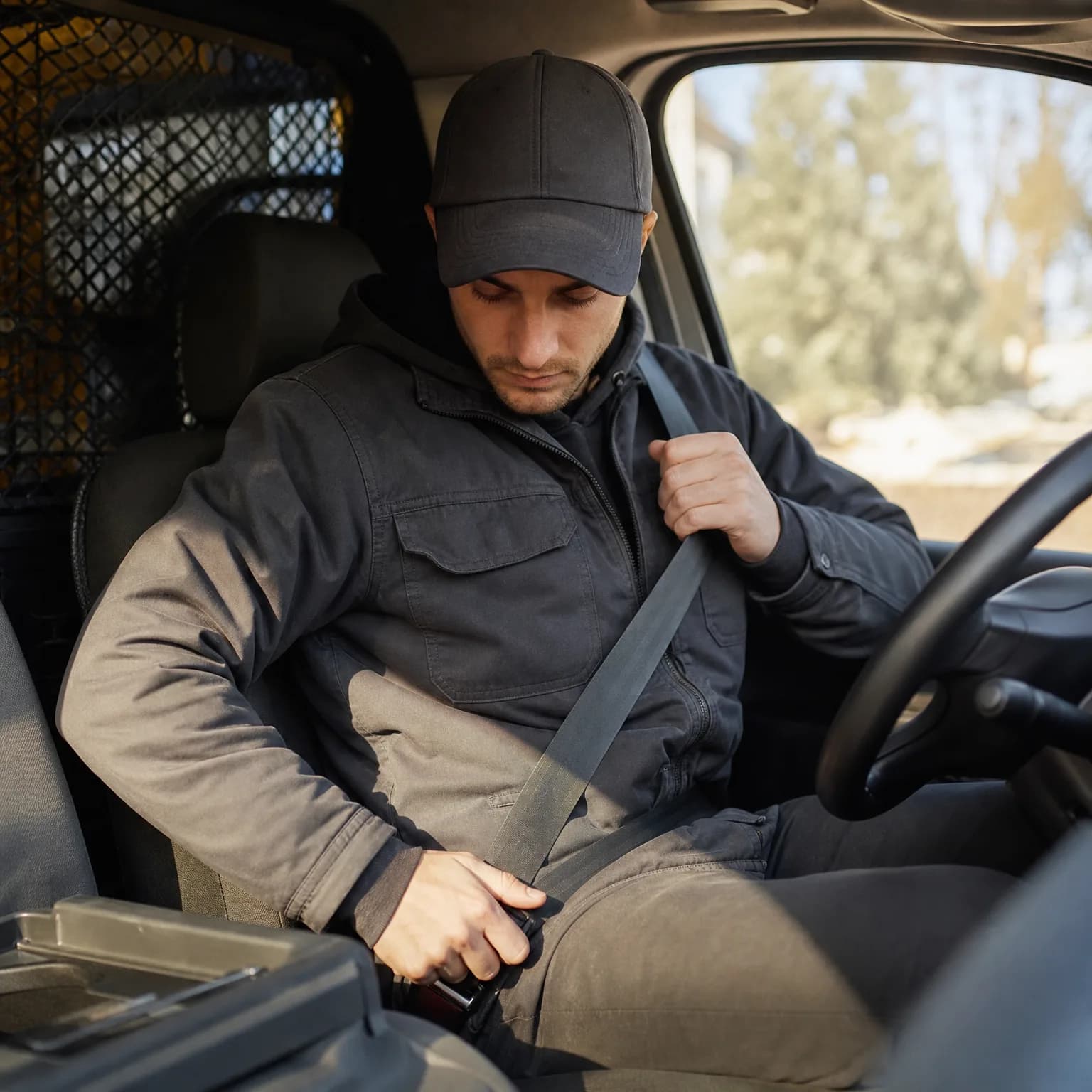

How to Handle Multiple Vehicles
When you own two or more vehicles, the multi-car discount saves money only if every vehicle sits on the same policy. Most carriers require the vehicles to be garaged at the same address and titled to the same household. If you and a spouse each brought a car from different states with separate policies, combining them onto one New York policy usually lowers the total premium — but not always. A household with one high-risk driver and one clean-record driver may pay more on a shared policy than on separate policies, because the high-risk driver's rate pulls up the shared premium.
If your vehicles are titled to different people or garaged at separate addresses, ask your carrier whether they qualify for the same-policy discount. Some carriers allow separate garaging addresses within the same household; others do not. If the vehicles do not qualify, you need separate policies, and you lose the multi-car discount on both.
Adding a vehicle mid-term re-rates the entire policy, not just the new car. If you moved to New York with one car and bought a second after arrival, the second car's addition recalculates the premium for both vehicles based on New York rates, your updated driving record, and the new garaging address. The increase is not simply the cost of insuring the second car — it is the re-rated cost of insuring both cars under New York's mandatory PIP and UM requirements.
8.6%
New York Uninsured Motorist Rate
Approximately 8.6% of New York drivers are uninsured, which is why the state mandates Uninsured Motorist coverage on every policy. UM coverage protects your household when an uninsured driver causes an accident.
Insurance Information Institute, 2023
Timing the Switch Without a Coverage Gap
Cancel your old policy only after your New York policy is active and the electronic notice has transmitted to the DMV. If you cancel early, you drive uninsured during the gap — and New York imposes a registration suspension plus a reinstatement fee if the DMV detects a lapse. The base reinstatement fee is $50, but the suspension itself can last until you prove continuous coverage.
When switching carriers, overlap the policies by one day. Start your New York policy on the day you plan to register, then cancel your old policy effective the same day after the registration is complete. The one-day overlap costs a prorated daily premium on both policies, but it eliminates the risk of a coverage gap that triggers a suspension.
Compare Carriers That Write Your Household
Not every carrier writes policies for households with multiple vehicles, and not every carrier that writes multi-car policies offers competitive rates in New York. New York's minimum liability requirements, mandatory PIP and UM coverage, and electronic verification system mean the carrier you used in your old state may not be the best fit here. Compare carriers that write New York policies and offer the multi-car discount for your household structure. If your vehicles are titled to different people or one driver has a violation, ask each carrier how they rate multi-vehicle households — the answer varies, and the difference in premium can be significant.
The Electronic Verification System
When you buy or update a New York policy, your carrier sends an electronic notice to the DMV within 24 hours. That notice includes your name, vehicle VIN, policy number, and coverage effective date. The DMV matches the notice to your registration record. If the system shows no active coverage, the DMV will not issue or renew your registration. Your insurance card is not proof — the electronic notice is the only verification New York accepts.
If you move to New York with an out-of-state policy, your current carrier must be licensed to write New York policies and must transmit the electronic notice after you update your garaging address. If your carrier does not write New York, the electronic notice never arrives, and your registration stalls. Check your carrier's state roster before you visit the DMV — waiting until you are at the counter wastes the trip.
Get Your Free Quote
Get My New York Car Insurance QuoteFrequently Asked Questions
Can I register my car in New York with an out-of-state insurance policy?
No. New York DMV requires an electronic notice of coverage from a New York-licensed carrier before registration. If your current carrier does not write New York policies, you need a new policy first. If your carrier does write New York, they must update your garaging address and transmit the electronic notice to the DMV before you can register.
Do I need to cancel my old policy before buying a New York policy?
No. Keep your old policy active until your New York policy is in force and the electronic notice has transmitted to the DMV. Cancel your old policy effective the same day your New York policy starts, after registration is complete. A one-day overlap eliminates the risk of a coverage gap that triggers a suspension.
Does New York require PIP and Uninsured Motorist coverage?
Yes. New York is a no-fault state and mandates Personal Injury Protection and Uninsured Motorist coverage on every policy. You cannot decline them. If your old state did not require PIP or UM, your New York policy will cost more because these coverages are added automatically.
Can I keep separate policies for each of my cars in New York?
Yes, but you lose the multi-car discount. The multi-car discount requires every vehicle to sit on the same policy, typically garaged at the same address and titled to the same household. If your vehicles do not meet those requirements, you need separate policies.
How long do I have to register my vehicles after moving to New York?
New York law requires you to register your vehicles within 30 days of establishing residency. The clock starts when you take a New York job, sign a lease, or register to vote. Miss that window and you risk a registration penalty plus the exposure of driving unregistered cars.
What happens if my insurance lapses after I register in New York?
New York DMV suspends your registration and charges a $50 reinstatement fee. The suspension lasts until you prove continuous coverage. The electronic verification system detects lapses automatically — you do not receive a warning before the suspension takes effect.