
Out-of-State Car Purchase Insurance — New York
Free to compare
The Registration Timing Problem
You bought a car in Pennsylvania, New Jersey, or another state and drove it home to New York. Now you need to register it with the DMV, but New York's electronic insurance-verification system will not process the registration until coverage is active and transmitted to the state database. Your existing New York policy covers two cars already. You don't know whether the new vehicle is covered during the drive home, when you must add it formally, or whether waiting too long costs you the multi-car discount you're already receiving.
The procedural reality: New York requires proof of insurance before registration, and that proof flows through the state's electronic system, not a paper card. The insurer transmits coverage electronically to the DMV, and you carry the NYS Insurance Identification Card as physical proof. If the vehicle isn't added to your policy and transmitted before you attempt registration, the DMV system rejects the transaction. The gap between purchase and formal addition is where most households make the mistake that either delays registration or forfeits the discount.
“New York's electronic verification system will not process registration until coverage is active and transmitted to the state database.”

Meet New York's Requirements Without Overpaying
Get My New York Car Insurance Quote$25,000 / $50,000 / $10,000
New York Minimum Liability Limits
New York requires $25,000 bodily injury per person, $50,000 per accident, and $10,000 property damage, plus mandatory PIP and uninsured motorist coverage. Every vehicle you register must meet these minimums before the DMV processes the title transfer.
New York State Department of Motor Vehicles
What Your Existing Policy Covers During the Drive Home
Most New York auto policies extend coverage to a newly-acquired vehicle for a limited grace period, typically 14 to 30 days from the date of purchase. The grace period applies only if you already insure at least one vehicle on the policy. If you're adding a third car to a two-car policy, the grace period starts the moment you take possession in the other state, not when you cross back into New York.
The coverage that extends is whatever you carry on your existing vehicles. If your current two cars have liability plus collision and comprehensive, the new vehicle receives the same coverage automatically during the grace period. If you carry only New York's minimum liability on your existing cars, that's what extends to the new purchase. The grace period does not upgrade your coverage; it mirrors what you already have.
The critical constraint: the grace period ends when the time window closes or when you formally add the vehicle to your policy, whichever comes first. Once you notify your insurer and add the car, the grace period stops and the vehicle is rated as part of your multi-car policy going forward. If you wait until day 29 of a 30-day window, you've used nearly the entire grace period, and any claim during that time is covered under the temporary extension, not the permanent addition.
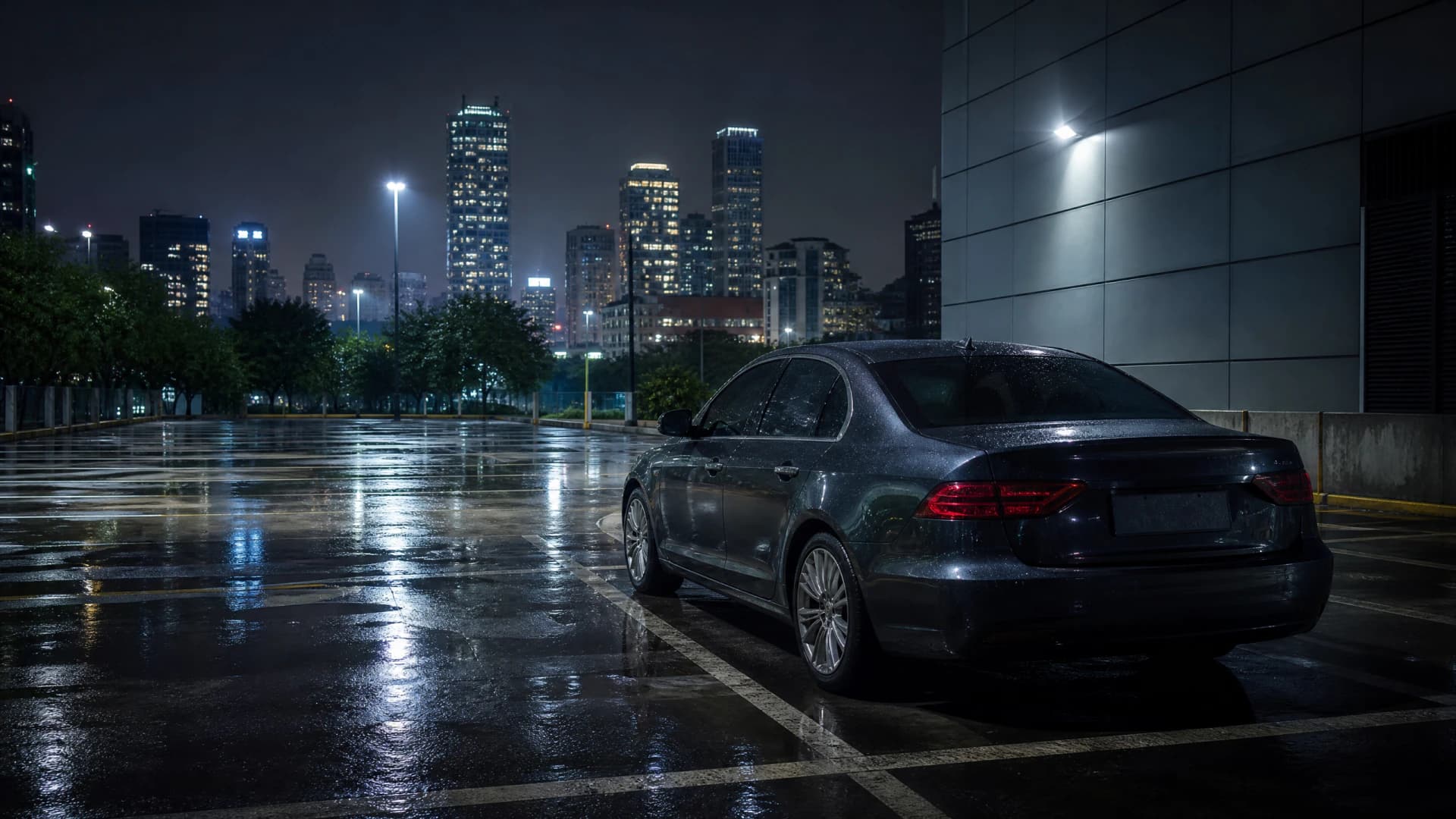
If you don't add the vehicle within your carrier's grace window and don't notify them of the purchase, a claim on the new car can be denied, and the DMV will reject your registration attempt because no active coverage exists in the state system.



How the Multi-Car Discount Applies to the New Vehicle
The multi-car discount requires every vehicle to sit on the same policy. If you already insure two cars and add a third, the discount recalculates across all three vehicles. The discount is not a flat percentage applied to the new car alone; it adjusts the total premium for the entire policy. Adding the third vehicle re-rates the policy, and the new total reflects the combined risk of three cars, three drivers, and the updated discount.
Some carriers apply a larger discount when you add a third or fourth vehicle. Others hold the discount percentage steady but spread it across more vehicles, which lowers the per-vehicle cost. The discount applies only if all vehicles are garaged at the same address and titled to members of the same household. A car titled to someone outside your household, or garaged at a different address, typically does not qualify for the same-policy discount, even if you're related to the owner.
If you delay adding the vehicle beyond the grace period and the insurer discovers the car only when you file a claim or attempt to register it, the carrier may add it retroactively and charge you for the coverage gap. In that scenario, the multi-car discount may not apply to the retroactive period, and you'll pay the higher single-vehicle rate for the weeks or months the car existed but wasn't formally on the policy.
8.6%
New York Uninsured Motorist Rate
New York requires uninsured motorist coverage on every policy, and 8.6% of drivers in the state carry no insurance. Adding a third vehicle to your policy ensures all three cars have UM coverage, which protects you if an uninsured driver hits any vehicle in your household.
Insurance Information Institute, 2023

Registration and Title Transfer at the New York DMV
Once your insurer transmits the new vehicle's coverage to the state database, you can register the car at any New York DMV office or by mail if you meet the mail-in eligibility requirements. Bring the out-of-state title, a bill of sale, proof of sales tax payment or exemption, and your NYS Insurance Identification Card that lists the new VIN. The DMV verifies coverage electronically; the card alone is not sufficient if the transmission hasn't processed.
New York charges a title fee and registration fee based on the vehicle's weight and county. If you bought the car in a state with no sales tax or a lower rate than New York's, you'll owe the difference to New York at the time of registration. The DMV will not issue plates until the insurance verification clears and all fees are paid. If the electronic system shows no active coverage for the VIN, the transaction stops, and you'll need to contact your insurer to confirm the transmission was sent and processed.
Compare Multi-Car Policies That Cover Out-of-State Purchases
Not every carrier writing in New York offers the same grace period or the same multi-car discount structure. Some extend 30-day automatic coverage to newly-acquired vehicles; others limit it to 14 days. Some apply a larger discount when you add a third or fourth car; others hold the percentage steady. If you're adding a vehicle bought out of state and want to preserve the best multi-car rate, compare carriers that write three-car policies in New York and confirm their grace-period terms before you finalize the purchase.
Use the site's comparison tool to see which carriers write multi-car policies in your county, what their grace periods are, and how they structure the discount across three or more vehicles. Enter your current vehicles and the new car's details to generate quotes that reflect the full household. The tool shows you the total premium for all three cars on one policy, not just the cost of adding the third vehicle, so you can see the true multi-car savings and decide whether switching carriers makes sense when you add the new car.
Adding the Vehicle to Your Existing Multi-Car Policy
Contact your insurer as soon as you have the vehicle's VIN, purchase date, and title information. Most carriers allow you to add a vehicle by phone, online portal, or mobile app. Provide the VIN, the odometer reading, the purchase price, and the date you took possession. The insurer will rate the vehicle based on its make, model, year, and where it's garaged in New York. If you're adding a third vehicle to a two-car policy, the multi-car discount typically applies immediately, but only if every vehicle remains on the same policy and shares the same garaging address.
The insurer transmits the new vehicle's coverage to New York's DMV database electronically within one to three business days. You receive an updated NYS Insurance Identification Card that lists all three vehicles. You cannot complete DMV registration until the electronic transmission is processed and the system shows active coverage for the new VIN. Attempting to register before the transmission completes results in a rejected transaction, and you'll need to return to the DMV once the coverage appears in the state database.
Get Your Free Quote
Get My New York Car Insurance QuoteFrequently Asked Questions
Does my New York auto policy automatically cover a car I buy in another state?
Most New York policies extend coverage to a newly-acquired vehicle for 14 to 30 days if you already insure at least one car on the policy. The coverage mirrors what you carry on your existing vehicles. You must add the car formally within the grace period to preserve the multi-car discount and complete DMV registration.
When do I need to add the out-of-state car to my New York policy?
Add the vehicle as soon as you have the VIN and purchase date, ideally within a few days of taking possession. Your insurer needs one to three business days to transmit coverage to New York's DMV database, and you cannot register the car until that transmission processes. Waiting until the end of the grace period delays registration and risks losing the multi-car discount.
Can I register an out-of-state car in New York without adding it to my policy first?
No. New York's DMV requires active coverage in the state's electronic verification system before processing registration. The insurer must transmit the vehicle's coverage to the DMV database, and you must carry the NYS Insurance Identification Card that lists the new VIN. The DMV rejects registration attempts for vehicles with no active coverage in the system.
Does adding a third car to my New York policy increase my multi-car discount?
The multi-car discount recalculates when you add a third vehicle. Some carriers apply a larger discount for three or more cars; others hold the percentage steady but spread it across more vehicles. The discount applies only if all cars are on the same policy, garaged at the same address, and titled to household members.
What happens if I don't add the out-of-state car within the grace period?
If you exceed the grace period without adding the vehicle, coverage may lapse, and any claim on that car can be denied. The DMV will reject your registration attempt because no active coverage exists in the state system. If the insurer discovers the car later, they may add it retroactively and charge you for the coverage gap, often without applying the multi-car discount to the retroactive period.
Do I owe New York sales tax on a car I bought in another state?
Yes, if the state where you bought the car has no sales tax or a lower rate than New York's. You owe the difference to New York at the time of registration. The DMV will not issue plates until sales tax is paid or an exemption is documented.