The Multi-Car Cost Reality in New York
You added a second or third vehicle to your New York policy and watched the premium jump more than you expected. The increase wasn't just the cost of insuring another car—it was the full stack of New York's mandatory coverages applied to that vehicle. Every car on your policy carries the state's liability minimums, mandatory personal injury protection, and mandatory uninsured motorist coverage, and those requirements don't prorate or discount significantly when you add vehicles.
New York structures auto insurance as a no-fault state with some of the most comprehensive mandatory coverage requirements in the country. The state minimum liability limits are $25,000 per person for bodily injury, $50,000 per accident, and $10,000 for property damage. On top of that base, the state mandates personal injury protection and uninsured motorist coverage on every policy. For a household insuring two, three, or four vehicles, that mandatory coverage stack multiplies across every car, creating a cost floor that competing states without PIP or UM mandates simply don't have.
Compare car insurance rates in your state
Get quotes from licensed carriers — no obligation, no spam, results in minutes.
Get Your Free QuoteNew York Minimum Liability
New York requires $25,000 bodily injury per person, $50,000 per accident, and $10,000 property damage as the state minimum. PIP and uninsured motorist coverage are mandatory on top of these limits, and every vehicle on your policy carries the full stack.
New York State Department of Financial Services
Why New York's Mandatory Coverage Stack Costs More
Personal injury protection covers medical expenses, lost wages, and other economic losses for you and your passengers regardless of fault. New York's no-fault system requires PIP on every policy, and the coverage applies per vehicle. When you add a second car, you're not just adding liability—you're adding another PIP policy unit. The same applies to uninsured motorist coverage, which protects you when another driver lacks insurance or flees the scene. Both coverages are mandatory, and both add to the per-vehicle cost.
The state's uninsured motorist rate sits at 8.6 percent as of 2023. That's lower than many states, but in a state with 12 million licensed drivers and dense urban traffic, the absolute number of uninsured drivers on the road is high. Insurers price uninsured motorist coverage to reflect claim frequency, and in metro areas like New York City, Long Island, and the Hudson Valley, that frequency drives premiums up. Multi-car households pay that risk premium on every vehicle.
New York's no-fault structure also means PIP claims are frequent and predictable. Every accident triggers a PIP claim regardless of fault, and insurers pay those claims directly. The cost of that claim frequency is baked into every policy. When you insure multiple vehicles, you're multiplying exposure to that claim frequency, and the premium reflects it.
New York mandates PIP and uninsured motorist coverage on every vehicle. Multi-car policies don't prorate those mandates—you pay the full stack per car.
How Urban Density and Claim Frequency Drive Premiums

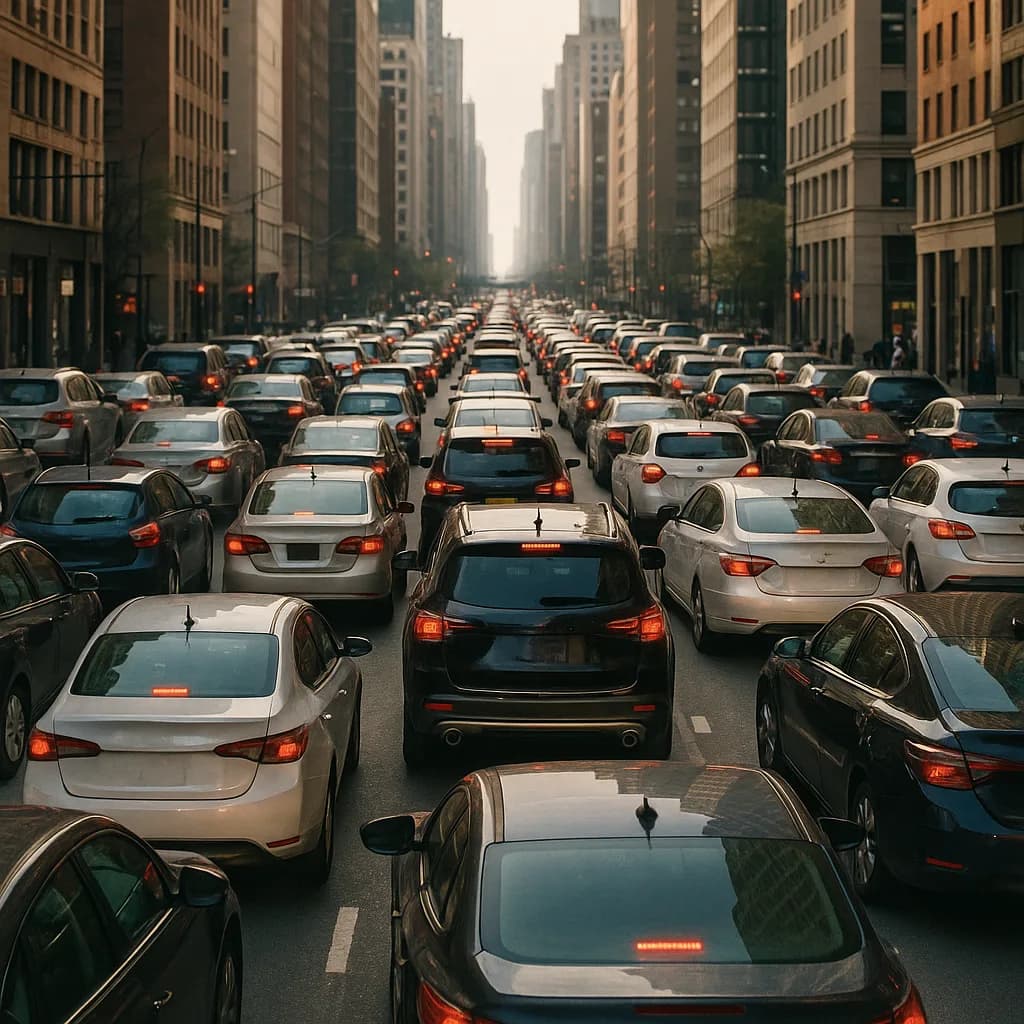
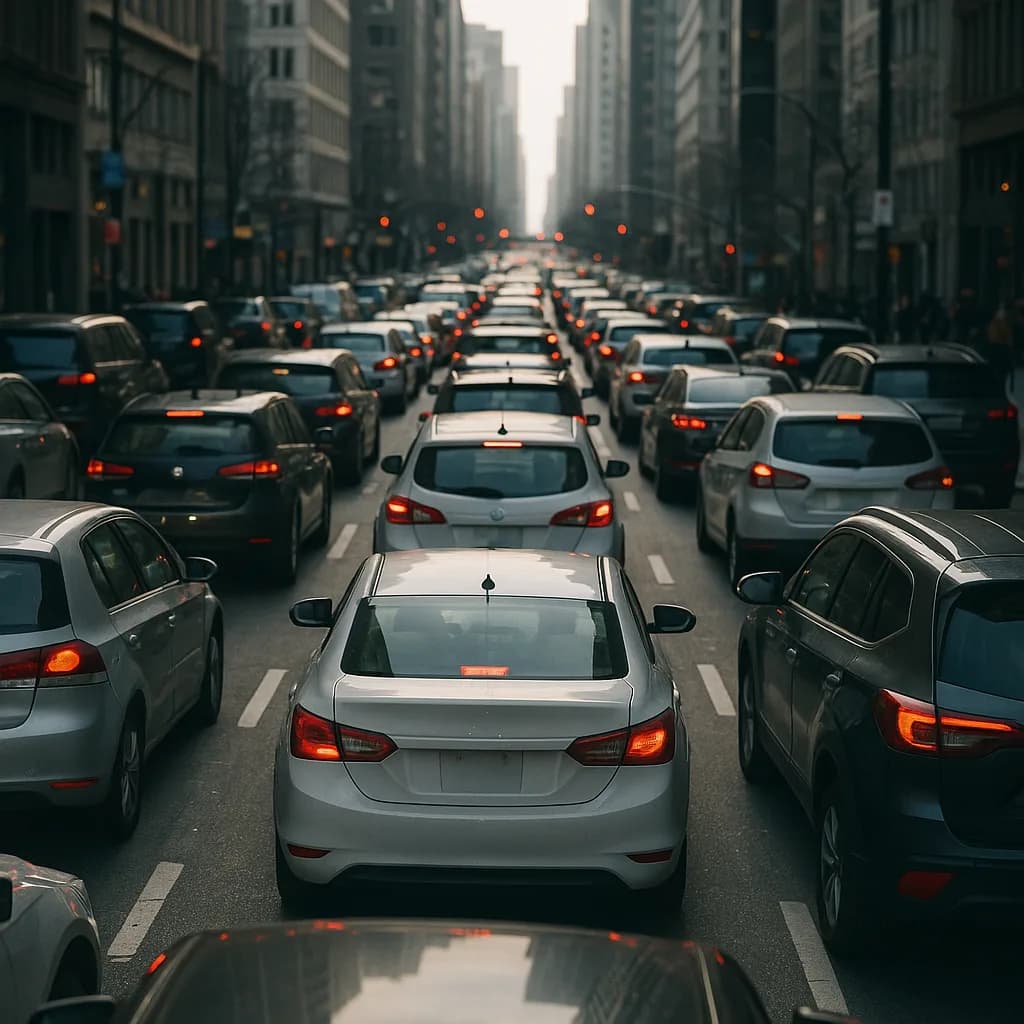
New York recorded 115 billion vehicle miles traveled in 2022 across 9.1 million registered vehicles. The state's traffic fatality rate is 0.93 per 100 million miles traveled, one of the lowest in the country, but the sheer volume of miles driven and the concentration of vehicles in metro areas create high claim frequency. Insurers price policies to reflect that frequency, and multi-car households increase their exposure with every vehicle added. A household with three cars on one policy is three times as likely to file a claim in a given year as a household with one car, and the premium structure reflects that math.
Motor vehicle thefts in New York reached 156.2 per 100,000 population in 2024. Comprehensive coverage, which pays for theft and non-collision damage, costs more in areas with higher theft rates. If you carry comprehensive on multiple vehicles, you're paying that elevated rate on each one. The same applies to collision coverage in areas with congested traffic and higher accident rates. Urban garaging addresses in New York City, Buffalo, Rochester, and Yonkers typically see higher premiums than suburban or rural addresses, and that difference multiplies across every car on the policy.
Related Articles




The Multi-Car Discount Doesn't Offset Mandatory Coverage Costs
Most carriers offer a multi-car discount when you insure two or more vehicles on the same policy. The discount reduces the combined premium compared to insuring each vehicle on a separate policy, but it doesn't eliminate the per-vehicle cost of New York's mandatory coverages. The discount typically applies to liability and sometimes to collision and comprehensive, but PIP and uninsured motorist coverage costs remain largely fixed per vehicle. You save compared to separate policies, but the savings don't offset the full cost of adding another car.
The multi-car discount structure varies by carrier. Some apply a percentage reduction to the second and third vehicles; others reduce the base premium before applying coverage costs. In New York, where mandatory PIP and UM coverage add a fixed cost per vehicle, the discount's impact is smaller than in states without those mandates. A household adding a third vehicle might see a 10 to 15 percent discount on that vehicle's liability premium, but the PIP and UM costs for that vehicle remain close to full price.
Carriers writing in New York include Allstate, Geico, Progressive, State Farm, Farmers, Liberty Mutual, Mercury General, National General, and Travelers, among others. Each structures multi-car discounts differently, and comparing quotes across carriers is the only way to see how the discount applies to your specific household. Some carriers price multi-car policies more competitively in urban areas; others perform better in suburban or rural zones. The carrier that quoted lowest for your first vehicle may not quote lowest when you add a second or third.
New York Uninsured Motorist Rate
8.6%
As of 2023, 8.6 percent of New York drivers are uninsured. Mandatory uninsured motorist coverage protects you against that risk, and the premium reflects the state's claim frequency and urban traffic density.
Insurance Research Council, 2023
How Adding Vehicles Re-Rates the Entire Policy
When you add a vehicle mid-term, the carrier re-rates the entire policy, not just the new car. The re-rating recalculates premiums for every vehicle based on current rates, your updated driving record, and any changes to household composition. If rates have increased since your last renewal, the re-rating applies those increases to all vehicles on the policy, and the total premium can jump more than the cost of the added car alone. This re-rating structure is standard across carriers, and it catches many multi-car households by surprise.
The re-rating also recalculates discounts. If adding a third vehicle qualifies you for a higher multi-car discount tier, the re-rating applies that discount to all vehicles. If your driving record improved or a household member aged out of a high-risk bracket, the re-rating reflects that too. The process works both ways—it can increase or decrease the total premium depending on what changed since the last rating. The key point: adding a vehicle triggers a full policy re-rating, not just an incremental charge for the new car.
Compare Carriers That Write Multi-Car Policies in New York
New York's mandatory coverage requirements and urban traffic density create a cost structure that varies significantly by carrier and garaging location. The carrier that quoted competitively for your first vehicle may not be the best fit when you add a second or third. Comparing quotes from multiple carriers that write multi-car policies in New York is the only way to see how each structures the multi-car discount, prices mandatory PIP and UM coverage, and rates your specific household's vehicles and drivers.
Request quotes that include the state's mandatory coverages and any optional coverages you carry—collision, comprehensive, and higher liability limits. Compare the total premium for all vehicles combined, not just the per-vehicle breakdown. Some carriers price the first vehicle higher and discount subsequent vehicles more aggressively; others spread the cost more evenly across all vehicles. The structure that works best depends on your household's vehicle count, driver mix, and garaging address. Use New York's comparison tool or work with an independent agent who can quote multiple carriers at once to see the full range of options available to your household.