
Car Insurance Cost Per Month — New York
Free to compare
What Drives Monthly Cost for Multiple Vehicles in New York
You're adding a second or third car to your New York household and the monthly premium jumped more than you expected. The increase isn't just the vehicle — it's New York's mandatory coverage stack applied to each car. Every vehicle on a New York policy must carry personal injury protection (PIP) and uninsured motorist coverage on top of the state's liability minimums, and those requirements don't scale down when you add cars.
The state minimum liability limits are $25,000 per person for bodily injury, $50,000 per accident, and $10,000 for property damage. PIP and uninsured motorist coverage are non-negotiable additions. When you structure a multi-car policy, each vehicle carries that full mandatory stack. The multi-car discount offsets part of the increase, but only when every vehicle sits on the same policy and meets the carrier's same-household requirements.
“Every vehicle on a New York policy carries PIP and uninsured motorist coverage — the multi-car discount offsets part of the cost, but only when all vehicles sit on one policy.”

Meet New York's Requirements Without Overpaying
Get My New York Car Insurance Quote$25,000 / $50,000 / $10,000
New York Liability Minimums
New York requires $25,000 per person for bodily injury, $50,000 per accident, and $10,000 for property damage. PIP and uninsured motorist coverage are mandatory on top of these limits.
New York State Department of Motor Vehicles
Why New York's Mandatory Coverage Stack Raises Multi-Car Premiums
Most states require only liability coverage at minimum. New York adds PIP and uninsured motorist coverage to every policy, which means your baseline premium starts higher before you add collision or comprehensive. When you add a second vehicle, that mandatory stack applies again — you're not just paying for the car, you're paying for a second round of PIP and uninsured motorist protection.
The multi-car discount reduces the combined premium, but it doesn't eliminate the mandatory coverage cost for each vehicle. A household insuring three cars pays for three PIP coverages and three uninsured motorist coverages. Carriers apply the discount to the total policy premium, not to each vehicle individually, so the savings show up as a percentage reduction on the combined bill rather than a per-car line item.
If one vehicle is titled to someone outside your household or garaged at a different address, many carriers won't apply the multi-car discount to that vehicle. The same-policy requirement is structural: every car must belong to the same household and sit on one policy to qualify. Splitting vehicles across two policies costs more because you lose the discount and pay two separate mandatory coverage stacks.
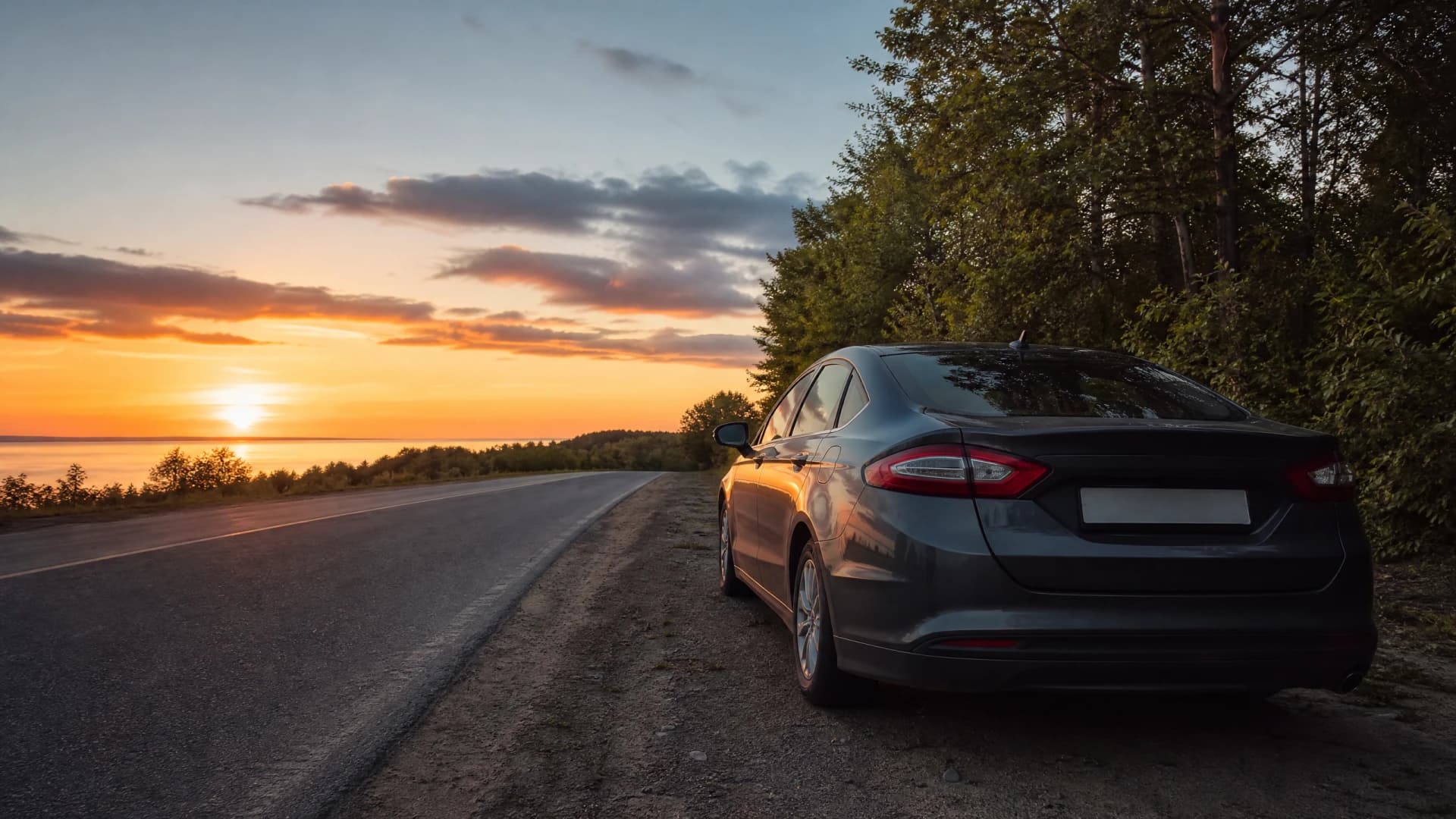
New York's mandatory PIP and uninsured motorist requirements apply per vehicle, not per policy. Adding a car means adding another full coverage stack.






Minimum Coverage Versus Full Coverage for Multiple Vehicles
Minimum coverage in New York means the state-required liability limits plus PIP and uninsured motorist coverage. Full coverage adds collision and comprehensive, which cover damage to your own vehicles. For a multi-car household, the decision depends on vehicle value and whether you can afford to replace a car out of pocket if it's totaled.
Collision and comprehensive are priced per vehicle based on the car's value, age, and theft risk. A newer car with a loan or lease almost always requires full coverage because the lender mandates it. An older car worth less than a few thousand dollars may not justify the collision and comprehensive premium — if the car is totaled, the payout minus the deductible may be less than a year's worth of premiums.
When you structure a multi-car policy, you can mix coverage levels: full coverage on the financed vehicle, minimum coverage on the older car you own outright. Carriers allow different coverage selections per vehicle on the same policy. The multi-car discount applies to the total policy premium regardless of which vehicles carry collision and comprehensive.
8.6%
New York Uninsured Motorist Rate
8.6% of New York drivers are uninsured. Uninsured motorist coverage is mandatory on every policy and protects you when an at-fault driver has no insurance.
Insurance Research Council, 2023

When Adding a Vehicle Re-Rates the Entire Policy
Adding a vehicle mid-term triggers a policy re-rate, not just an add-on charge. The carrier recalculates the premium for every vehicle on the policy based on the new household risk profile. If the new vehicle is a sports car or has higher theft risk, the re-rate can increase the premium for all vehicles, not just the one you added. The multi-car discount applies to the new total, but the baseline premium may be higher than you expected.
Most carriers give you a grace period to report a newly purchased vehicle — typically 7 to 30 days depending on the carrier. During that window, the new car is covered under your existing policy's liability, PIP, and uninsured motorist coverage, but collision and comprehensive may not apply until you formally add the vehicle and select those coverages. Missing the grace window can leave you with a coverage gap, and a claim on an unreported vehicle may be denied.
Compare Carriers That Write Multi-Car Policies in New York
Fifteen carriers write multi-car policies in New York, and each structures the discount and mandatory coverage differently. Geico, Progressive, and State Farm write the largest volume of multi-car policies in the state. Allstate, Farmers, and Liberty Mutual also write multi-vehicle households and offer online quotes. Smaller carriers like Erie and CSAA write in portions of New York and may offer lower base rates for certain household profiles, but they require broker quotes rather than direct online applications.
When you compare carriers, request quotes for the exact same coverage limits and deductibles across all vehicles. The multi-car discount percentage varies by carrier, but a smaller discount on a lower base rate can beat a larger discount on a higher one. Verify that every quote includes New York's mandatory PIP and uninsured motorist coverage — some online quote tools display liability-only estimates that don't reflect the actual legal minimum. Use the New York car insurance requirements page to confirm the coverage stack before you bind a policy.
How Carriers Structure Multi-Car Discounts in New York
Carriers writing multi-car policies in New York include Geico, Progressive, State Farm, Allstate, Farmers, Liberty Mutual, and Nationwide. Each applies the discount differently: some reduce the premium for the second and third vehicles by a percentage of the base rate, others apply a flat discount to the total policy premium. The discount typically increases with the number of vehicles — a three-car policy usually saves more per vehicle than a two-car policy.
The same-policy requirement is non-negotiable. If you own two cars but your spouse owns a third titled in their name alone and garaged elsewhere, that third vehicle may not qualify for the multi-car discount even if you're both on the same policy. Carriers verify garaging address and title ownership during underwriting. A vehicle titled to someone outside the household or garaged at a second address often requires a separate policy, which means paying the mandatory coverage stack twice and losing the discount on both policies.
Get Your Free Quote
Get My New York Car Insurance QuoteFrequently Asked Questions
Does New York require PIP on every vehicle in a multi-car policy?
Yes. New York mandates personal injury protection (PIP) and uninsured motorist coverage on every vehicle, regardless of how many cars are on the policy. Each vehicle carries its own PIP and uninsured motorist coverage, and the multi-car discount applies to the total policy premium, not to individual mandatory coverages.
Can I insure two cars on different policies in New York and still get a multi-car discount?
No. The multi-car discount requires every vehicle to sit on the same policy with the same carrier. Splitting vehicles across two policies means you lose the discount and pay two separate mandatory coverage stacks, which costs more than combining them on one policy.
What happens if I add a third car mid-term to my New York policy?
Adding a vehicle mid-term triggers a policy re-rate. The carrier recalculates the premium for all vehicles based on the new household risk profile, applies the multi-car discount to the new total, and charges the prorated difference for the remainder of the term. Most carriers give you 7 to 30 days to report the new vehicle.
Do all New York carriers require the same garaging address for the multi-car discount?
Most carriers require every vehicle on the policy to be garaged at the same address and belong to drivers in the same household. A vehicle garaged elsewhere or titled to someone outside the household may not qualify for the multi-car discount, even if it's listed on the same policy.
Can I carry minimum coverage on one car and full coverage on another in a multi-car policy?
Yes. Carriers allow different coverage levels per vehicle on the same policy. You can carry full coverage (liability, PIP, uninsured motorist, collision, and comprehensive) on a financed car and minimum coverage (liability, PIP, and uninsured motorist only) on an older car you own outright. The multi-car discount applies to the total policy premium.