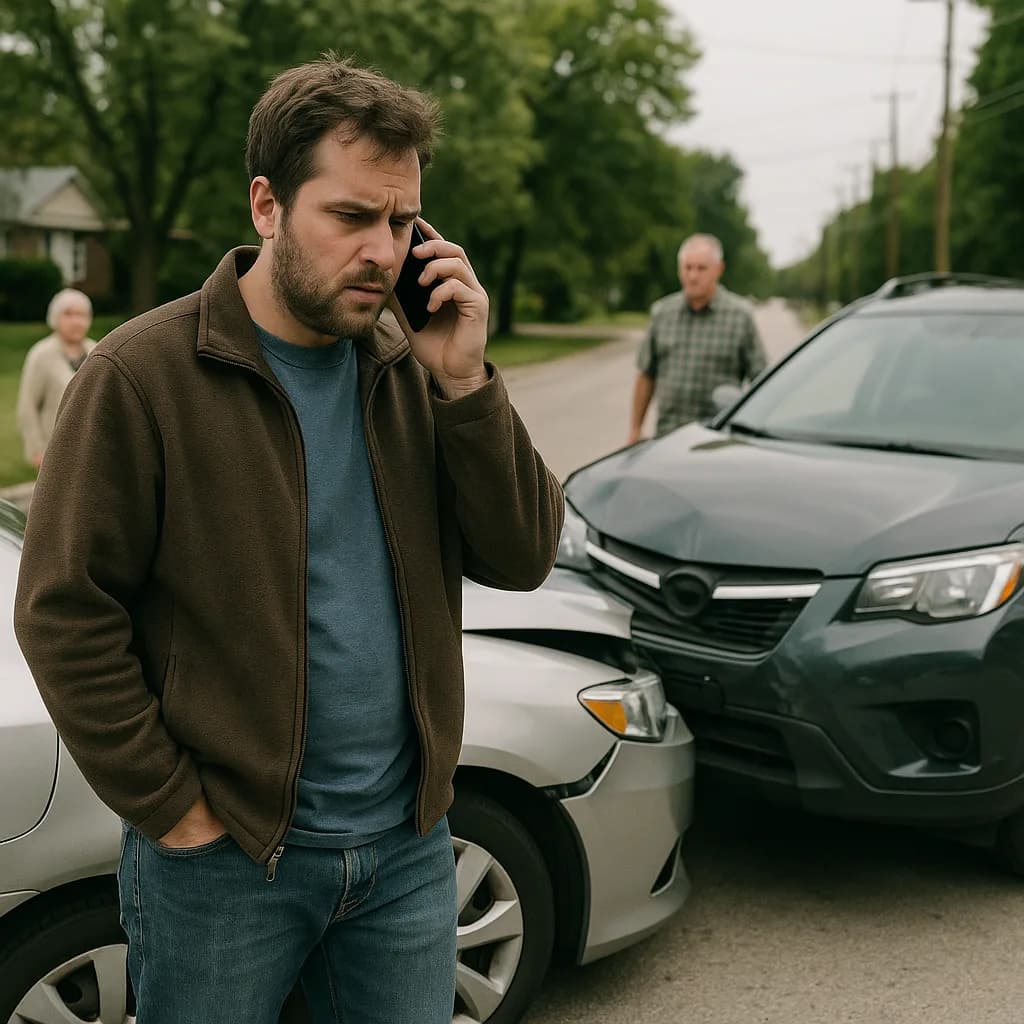
The Per-Vehicle Pricing Problem
A standalone roadside membership covering every vehicle you own and every driver in your household costs less than that annual total, and it travels with the driver rather than the car.
The structural reality: most carriers price roadside assistance as a per-vehicle add-on. When you insure multiple cars on one policy, that per-vehicle charge compounds. The more vehicles you add, the wider the gap between what the carrier charges and what a standalone membership costs. This article walks you through both paths, shows you the math, and names the specific decision points where one option beats the other for a New York household managing multiple vehicles.
Compare car insurance rates in your state
Get quotes from licensed carriers — no obligation, no spam, results in minutes.
Get Your Free QuoteNY Minimum Liability Limits
$25,000 / $50,000 / $10,000
New York requires $25,000 bodily injury per person, $50,000 per accident, and $10,000 property damage. Roadside assistance is optional—it does not affect your ability to register or legally drive—but it does affect total policy cost when you add it across multiple vehicles.
New York State Department of Motor Vehicles
How Carriers Price Roadside on Multi-Car Policies
When you add roadside assistance through your carrier, the charge appears as a line item on each vehicle's coverage schedule. That means a household insuring three cars pays three times the per-vehicle rate, every month, for the life of the policy.
The coverage itself is straightforward: towing (typically up to a set dollar limit per incident), battery jump, flat tire change, lockout service, and fuel delivery. The carrier dispatches a contracted tow provider when you call. The service follows the vehicle, not the driver—if you're driving a car not listed on your policy, the roadside coverage does not apply.
This vehicle-specific structure works well for single-car households. For multi-car households, it creates a compounding cost problem.
Carrier roadside pricing compounds per vehicle.
Standalone Membership Structure

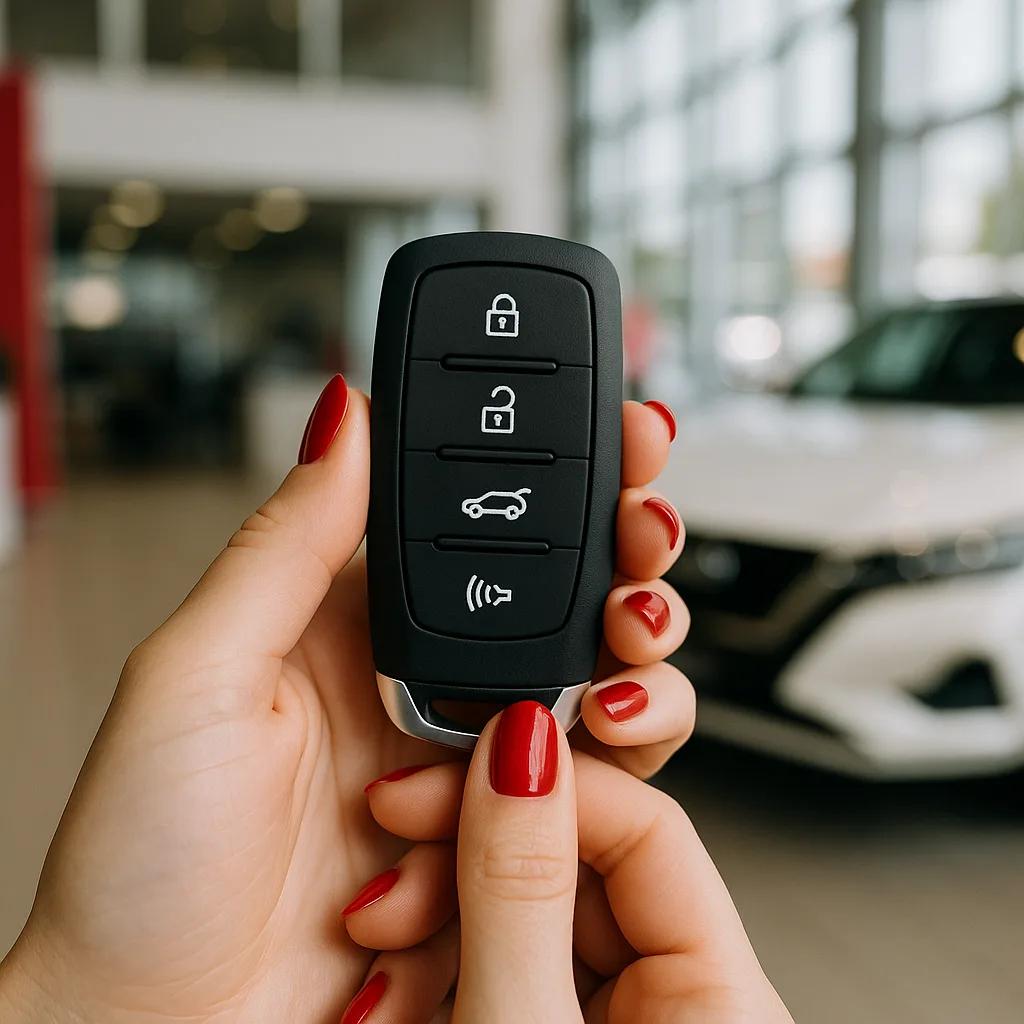
That single membership covers every car you own, every car you borrow, and every car a covered household driver operates. When your teenager takes the sedan and you're driving the SUV, one membership covers both incidents if both happen the same day.
Better World Club and motor clubs offered through Costco, Sam's Club, or certain credit cards follow the same member-follows-the-driver structure. The membership is not tied to a vehicle title or a policy schedule. It's tied to the person. For a household managing three or more vehicles on one auto policy, this structure eliminates the per-vehicle multiplication problem that makes carrier-based roadside expensive at scale.
Related Articles




When Carrier Roadside Still Makes Sense
Carrier-based roadside is not always the wrong choice. If you insure only one or two vehicles, the per-vehicle cost stays low enough that the convenience of a single bill and a single phone number outweighs the modest savings a standalone membership offers.
Carrier roadside also integrates with your claims history in a way standalone memberships do not. Some carriers count roadside calls as claims; others do not. If your carrier does not count them, you can use the service freely without affecting your renewal rate. Verify this with your carrier before adding the coverage—ask explicitly whether roadside calls appear on your claims record and whether they affect renewal pricing.
For households that lease vehicles or finance through a lender requiring gap insurance, bundling roadside with the auto policy sometimes satisfies a lender's ancillary-coverage expectation more cleanly than presenting a separate membership card. This is rare, but it happens. If your lender or lease agreement references roadside or emergency services as a required add-on, confirm whether a standalone membership meets that requirement before dropping the carrier version.
NY Licensed Drivers
12,084,675
New York has over 12 million licensed drivers and 9.1 million registered vehicles. Multi-car households are common, and the per-vehicle pricing structure most carriers use makes roadside assistance one of the easiest places to overpay when you insure three or more cars on one policy.
Federal Highway Administration, 2022
Switching from Carrier to Standalone Mid-Term
If you already added carrier roadside to your multi-car policy and want to switch to a standalone membership, call your carrier and request removal. Most carriers allow mid-term changes and will prorate the refund for the unused portion of the term. The refund appears as a credit on your next bill or as a check if you've already paid the full term.
Buy the standalone membership before you remove the carrier coverage. Do not create a gap where you have no roadside protection at all. Once the membership card arrives and you've confirmed the effective date, call the carrier and request the removal. The timing does not need to align perfectly—overlapping by a few days costs you a few dollars but eliminates the risk of being stranded without coverage during the transition.
If you're approaching renewal, wait until the renewal date to make the switch unless the annual savings justifies the administrative friction of a mid-term change.
Compare Both Paths Before You Add
When you're quoting a new policy or adding a vehicle to an existing multi-car policy, ask the carrier for the per-vehicle roadside cost and multiply it by the number of cars you insure. Compare that annual total to the cost of a standalone membership covering your household. If the carrier's total is higher, buy the membership separately and decline the carrier add-on.
New York does not require roadside assistance to register a vehicle or maintain legal coverage. The state mandates liability, personal injury protection, and uninsured motorist coverage. Roadside is optional. Declining it does not affect your ability to drive legally, and it does not affect your eligibility for the multi-car discount or any other policy-level benefit. You are free to structure roadside coverage in whichever way costs less and serves your household better. Compare the two paths with the actual numbers for your household, and choose the one that makes sense for the vehicles you own and the drivers you cover.