
Optional Car Insurance Coverages Worth It — New York
Free to compare
The Multi-Vehicle Optional Coverage Question
You carry New York's required $25,000/$50,000/$10,000 liability minimums, $50,000 PIP, and uninsured-motorist coverage on every vehicle. The state mandates those. Now you're deciding whether to add collision, comprehensive, gap, or rental reimbursement to a policy covering two, three, or four cars, and the premium difference is substantial when multiplied across every vehicle.
Single-car households evaluate optional coverage vehicle by vehicle. Multi-car households face a structural question: does the household need collision on every car, or only the newest? Does comprehensive make sense on an older vehicle when another car already carries it? Can one household vehicle cover another's downtime, eliminating the need for rental reimbursement on all of them? The optional-coverage decision changes when the household owns backup transportation.
“Multi-car households can tier coverage by vehicle value: full coverage on financed cars, liability-only on older paid-off vehicles the household can afford to replace.”

Meet New York's Requirements Without Overpaying
Get My New York Car Insurance Quote$25,000/$50,000/$10,000
New York Liability Minimums
New York requires $25,000 bodily injury per person, $50,000 per accident, and $10,000 property damage. PIP and uninsured-motorist coverage are also mandatory. Everything beyond that baseline is optional and priced per vehicle.
New York State Department of Motor Vehicles
What New York Requires Versus What Carriers Offer
New York mandates liability, PIP, and uninsured-motorist coverage. Collision, comprehensive, rental reimbursement, gap, and roadside assistance are optional. Carriers price optional coverages per vehicle, so a household insuring three cars pays three times the per-vehicle cost of collision if every car carries it.
The structural reality: optional coverages protect the policyholder's asset, not the state's interest. Collision pays to repair your car after an at-fault accident. Comprehensive covers theft, vandalism, weather, and animal strikes. Gap covers the loan balance when the car is totaled and worth less than what you owe. Rental reimbursement pays for a rental while your car is in the shop. None of these are required by New York law, and none are required by lenders on a paid-off vehicle.
Lenders require collision and comprehensive on financed vehicles. Once the loan is paid off, the decision is yours. A household with one financed car and two paid-off cars can drop collision and comprehensive on the paid-off vehicles without violating any requirement, as long as liability, PIP, and uninsured-motorist coverage remain in place.
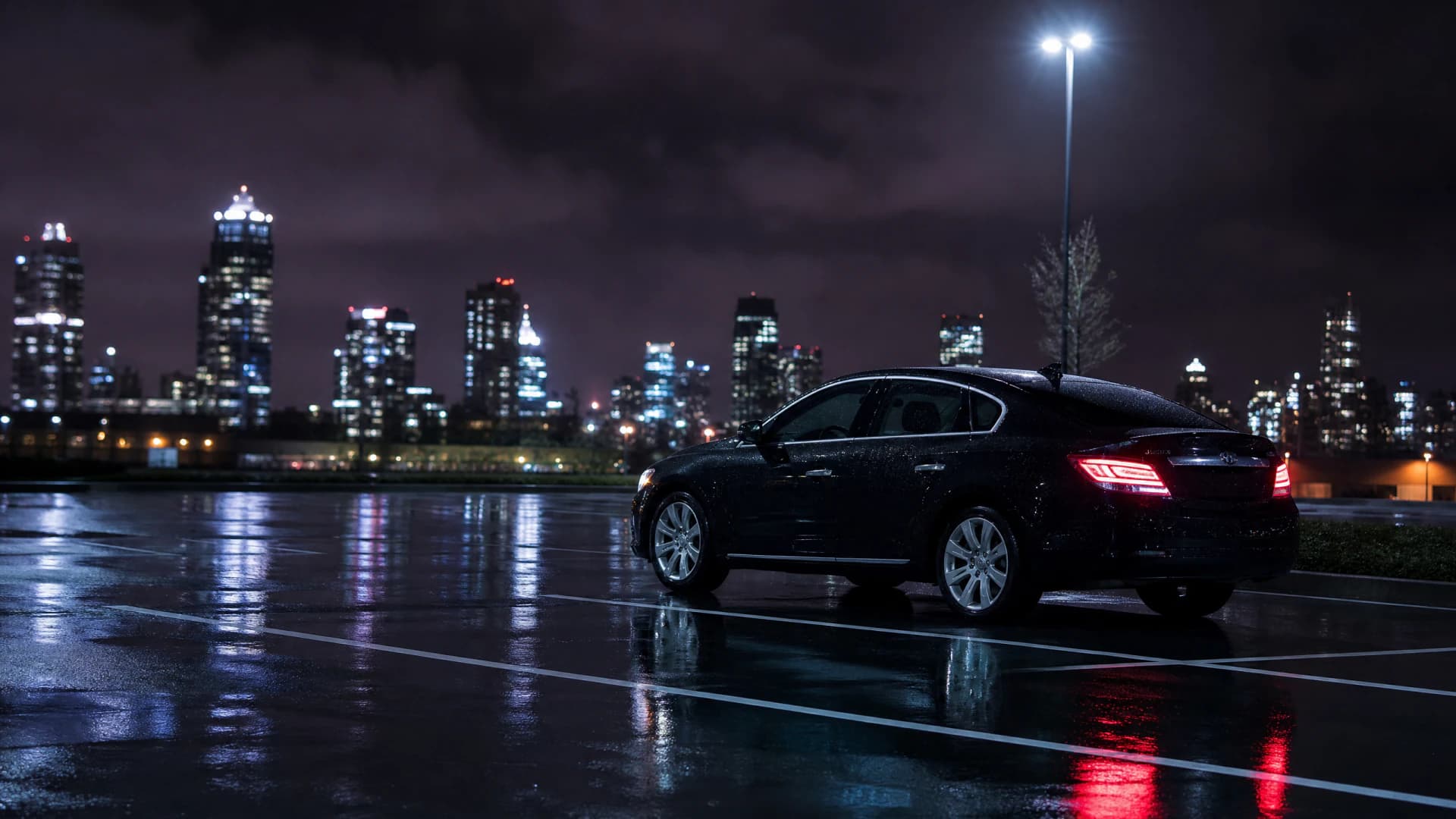
Multi-car households often carry collision on every vehicle when only the newest or most valuable car justifies it, paying for coverage the household would never claim on an older car.
Related Articles

Best Car Insurance Companies in New York
7/15/2026

Liability vs Full Coverage for Multiple Cars NY
7/15/2026

Best Cheap Car Insurance in New York
7/15/2026

Liability vs Full Coverage NY Multi-Car
7/15/2026

Full Coverage Carriers for Multiple Cars NY
7/15/2026
Best Minimum Coverage for Multiple Cars NY
7/15/2026

Rental Reimbursement When the Household Owns Backup Transportation
It does not cover rentals for routine maintenance or breakdowns unrelated to an insured loss. The coverage is priced per vehicle, so a household insuring three cars pays three times the per-vehicle cost if every car carries it.
A household with multiple vehicles often has backup transportation. If one car is in the shop, another household member can drive a second car, carpool, or adjust schedules without renting. Single-car households need rental reimbursement because losing the only car stops all household transportation. Multi-car households can often skip it on every vehicle except the one the primary commuter drives, or skip it entirely if the household can function with one fewer car for a week.
Rental reimbursement makes sense when the household cannot function without every car simultaneously, or when the primary vehicle is driven by someone whose job requires daily access to a car. It does not make sense when the household owns more cars than drivers, or when losing one car for a week is an inconvenience but not a crisis. The per-vehicle cost is low, but across three or four cars it adds up, and most multi-car households never file a rental claim.
8.6%
New York Uninsured Motorist Rate
8.6% of New York motorists drive uninsured. Uninsured-motorist coverage is mandatory in New York, but underinsured-motorist coverage can be increased beyond the state minimum to cover the gap when an at-fault driver carries only $25,000 per person.
Insurance Information Institute, 2023

Gap Coverage and Loan Balance Protection
Gap coverage pays the difference between what your car is worth and what you owe on the loan when the car is totaled. It applies only to financed vehicles.
Gap coverage makes sense in the first two years of a loan, when depreciation outpaces principal paydown and the loan balance exceeds the car's value. It does not make sense on a paid-off car, a car with positive equity, or a car financed with a large down payment that kept the loan balance below the car's value from day one. Multi-car households often finance one vehicle and pay cash for another. Gap coverage belongs only on the financed vehicle, and only if the loan balance exceeds the car's value. Carriers price gap coverage per vehicle, so adding it to every car on a multi-car policy wastes premium on vehicles that do not need it.
Comparing Carriers That Write Multi-Car Policies in New York
Geico, Progressive, State Farm, Allstate, Travelers, Nationwide, Liberty Mutual, and USAA all write multi-car policies in New York and allow different coverage levels per vehicle on the same policy. The multi-car discount applies when every vehicle sits on one policy, but the discount does not change the per-vehicle cost of optional coverages. Collision, comprehensive, rental, and gap are priced per vehicle regardless of how many cars the policy covers. A household comparing optional-coverage costs should request quotes with and without collision and comprehensive on each vehicle, then compare the total premium difference against the household's ability to self-insure an older car's value or function without rental reimbursement. The household's coverage structure should match the household's actual risk tolerance and backup-transportation reality, not a one-size-fits-all recommendation that assumes every car needs every coverage.
Collision and Comprehensive Across Multiple Vehicles
Collision covers damage to your car after an at-fault accident or a single-vehicle crash. Comprehensive covers theft, vandalism, fire, weather, and animal strikes. Both are subject to a deductible. If your car is worth less than three times the annual cost of collision and comprehensive combined, many households drop both and self-insure the vehicle's value.
Multi-car households can tier coverage by vehicle value. Carry collision and comprehensive on financed vehicles and newer cars where the replacement cost justifies the premium. Drop both on older paid-off vehicles where the household can absorb a total loss. The savings from dropping coverage on one or two older cars can offset the cost of higher liability limits or lower deductibles on the vehicles that do carry full coverage. Geico, Progressive, State Farm, and Allstate all write multi-car policies in New York and allow different coverage levels per vehicle on the same policy.
Get Your Free Quote
Get My New York Car Insurance QuoteFrequently Asked Questions
Do I need collision coverage on every car in my household?
No. Collision is required only on financed vehicles per the lender's terms. Once a car is paid off, collision is optional. Many multi-car households carry collision on newer vehicles and drop it on older cars where the replacement cost does not justify the premium.
Does rental reimbursement make sense when I own multiple cars?
Rental reimbursement makes sense when the household cannot function without every car simultaneously. If losing one car for a week is manageable because another household vehicle covers transportation, rental reimbursement on every car is often unnecessary.
What is gap coverage and when do I need it?
Gap coverage pays the difference between your car's value and your loan balance when the car is totaled. It applies only to financed vehicles and makes sense in the first two years of a loan when depreciation outpaces principal paydown. Paid-off cars do not need gap coverage.
Can I carry different coverage levels on different cars on the same policy?
Yes. Carriers writing multi-car policies in New York allow different coverage levels per vehicle. You can carry collision and comprehensive on one car and liability-only on another, all on the same policy.
How do I decide which optional coverages to keep on a multi-car policy?
Compare the per-vehicle cost of collision and comprehensive against each car's replacement value. Drop coverage on older cars where the household can absorb a total loss. Keep rental reimbursement only if the household cannot function with one fewer car for a week. Add gap coverage only to financed vehicles where the loan balance exceeds the car's value.