
The Coverage Decision You Face With Multiple Vehicles
You own two or more cars, and you're trying to decide whether every vehicle on your policy needs full coverage or whether liability-only makes sense for one of them. Maybe one car is older, paid off, or rarely driven. Maybe you're adding a third vehicle and wondering if you can save by dropping collision and comprehensive on the least valuable one. The question sounds simple, but in New York the answer is more complex than in most states.
New York does not allow bare-minimum liability. Every vehicle on your policy must carry the state's mandatory liability minimums — $25,000 per person and $50,000 per accident for bodily injury, plus $10,000 for property damage — and the state also mandates personal injury protection and uninsured motorist coverage on every car. That means liability-only in New York is not the rock-bottom option it is elsewhere. You're already paying for more than liability before you even consider collision or comprehensive.
Compare car insurance rates in your state
Get quotes from licensed carriers — no obligation, no spam, results in minutes.
Get Your Free QuoteNew York Liability Minimums
Every vehicle registered in New York must carry at least $25,000 per person and $50,000 per accident for bodily injury liability, plus $10,000 for property damage liability. PIP and UM are also mandatory.
New York State Department of Motor Vehicles
What Liability-Only Actually Covers in New York
Liability-only in New York includes three mandatory components: bodily injury liability, property damage liability, and personal injury protection. Bodily injury liability pays for injuries you cause to others in an accident you're responsible for, up to your policy limits. Property damage liability pays for damage you cause to someone else's vehicle or property. PIP pays your own medical expenses and lost wages regardless of who caused the accident, up to $50,000.
New York also requires uninsured motorist coverage on every policy unless you explicitly reject it in writing. UM pays your medical expenses and lost wages when you're hit by a driver who has no insurance or insufficient insurance. Most households keep UM because 8.6 percent of New York drivers are uninsured, and rejecting it leaves you exposed if an uninsured driver hits your car.
Liability-only does not include collision or comprehensive. Collision pays to repair or replace your vehicle after an accident you cause or a collision with another vehicle or object. Comprehensive pays for damage from theft, vandalism, fire, weather, or animal strikes. If you carry only liability, PIP, and UM, your own vehicle is not covered for physical damage.
Liability-only in New York is not minimal. You're already paying for liability, PIP, and UM before you decide whether to add collision and comprehensive.
When Full Coverage Makes Sense for Each Vehicle
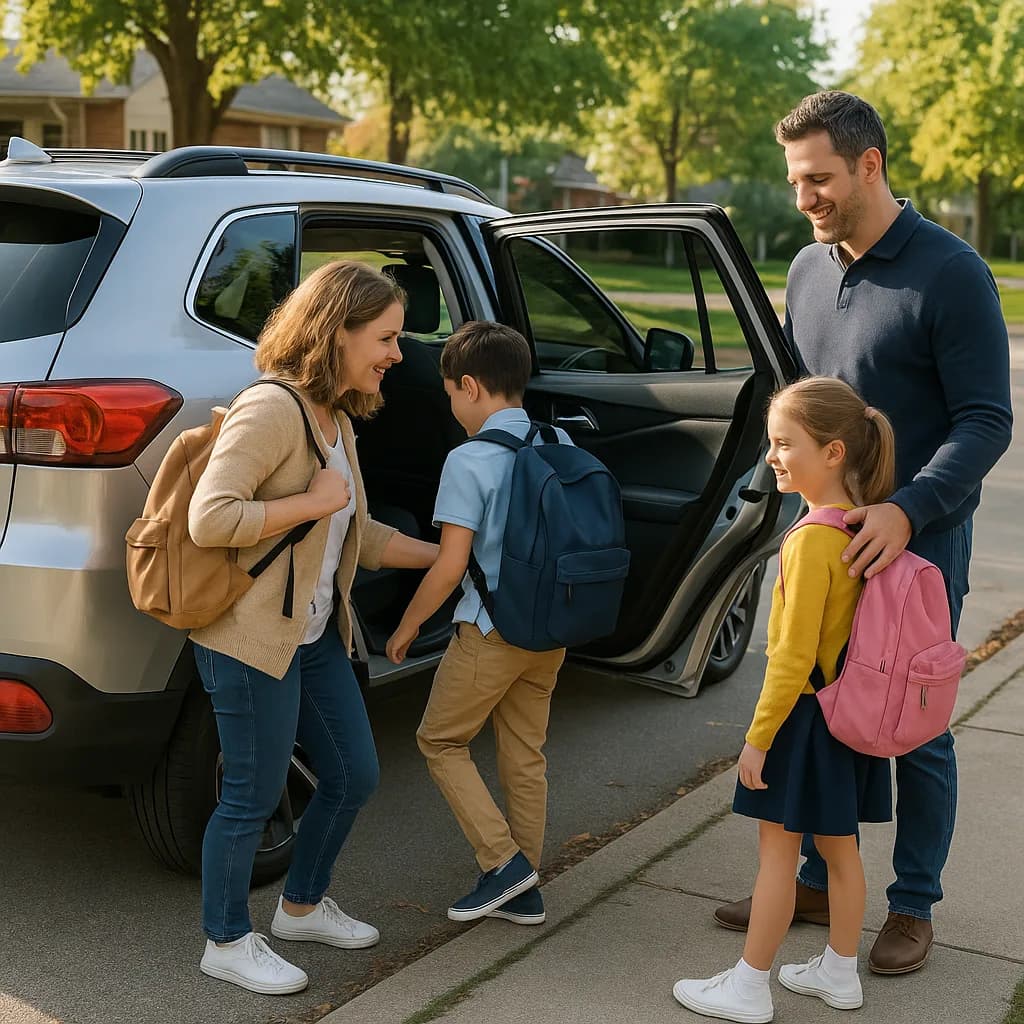
If replacing the car out of pocket would strain your household budget, carry full coverage.
At that point you're paying collision premiums for minimal return. Keep liability, PIP, and UM to stay legal, but let the physical-damage coverage go.
Related Articles




How the Decision Changes Across Multiple Vehicles
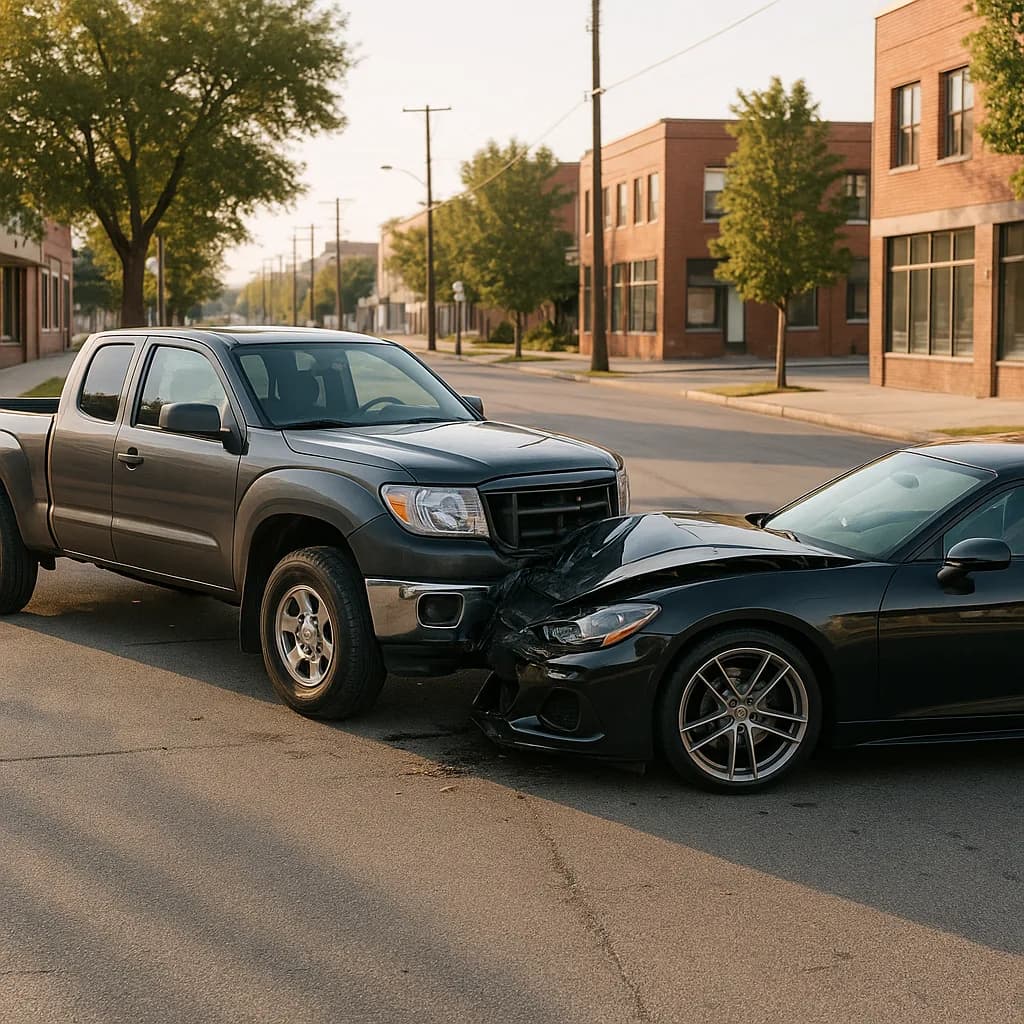
When you insure multiple vehicles on one policy, each car can carry different coverage levels. You can carry full coverage on your primary vehicle and liability-only on an older secondary car. The carrier rates each vehicle separately, and the multi-car discount applies to the total policy premium regardless of which vehicles carry collision and comprehensive.
Dropping collision and comprehensive on one vehicle does not eliminate the multi-car discount. The discount applies because you're insuring multiple vehicles on the same policy, not because every vehicle carries the same coverage. You keep the discount as long as every vehicle sits on the same policy and shares a garaging address.
The structural decision is per vehicle, not per policy. A household with three cars might carry full coverage on two and liability-only on the third. The policy remains a multi-car policy, the discount applies, and each vehicle's premium reflects its own coverage selections. The only requirement is that every vehicle meet New York's mandatory minimums for liability, PIP, and UM.
New York Uninsured Motorist Rate
8.6%
8.6 percent of New York drivers are uninsured. Rejecting uninsured motorist coverage leaves you exposed if one of them hits your car, and most households keep UM for that reason.
Insurance Information Institute, 2023
The Financial Break Point for Collision and Comprehensive
Collision and comprehensive make financial sense when the vehicle's value exceeds the total of one year's premiums for those coverages plus the deductible. That ratio works. That ratio does not work.
Run this calculation for each vehicle on your policy. The per-vehicle decision depends on each car's replacement cost, not on the policy as a whole.
Compare Carriers and Structure Your Policy
Carriers price multi-vehicle policies differently, and the gap between full coverage and liability-only varies by carrier. Compare New York carriers that write multi-car policies and request quotes with different coverage configurations: full coverage on every vehicle, full coverage on two and liability-only on the third, and any other combination that matches your household's vehicle values. The carrier that offers the best rate for one configuration may not offer the best rate for another.
Structure your policy so that every vehicle carries New York's mandatory liability, PIP, and UM, then add collision and comprehensive only to vehicles where the financial math supports it. That structure keeps you legal, protects your household's most valuable assets, and avoids paying for coverage that delivers minimal return.