
Car Registration Documents — New York
Free to compare
What You Need Before You Go
You bought a car in New York and need to register it. The DMV will not process your application without four categories of documentation: proof of ownership, proof of insurance, proof of identity, and proof of sales tax payment or exemption. Missing any one of these stops the transaction at the counter.
New York uses an electronic insurance-verification system. Your insurer transmits coverage data directly to the DMV, and the clerk sees your policy status in real time. A lapse or gap blocks registration immediately. There is no grace period where you can register first and add insurance later.
“New York's electronic system means the DMV sees your coverage status in real time—a lapse blocks registration at the counter.”
Meet New York's Requirements Without Overpaying
Get My New York Car Insurance Quote$25,000/$50,000/$10,000
NY Minimum Liability Limits
New York requires bodily injury coverage of at least $25,000 per person and $50,000 per accident, plus $10,000 property damage. Your policy must also include personal injury protection and uninsured motorist coverage before the DMV will register the vehicle.
New York State Department of Motor Vehicles
Proof of Ownership: Title and Bill of Sale
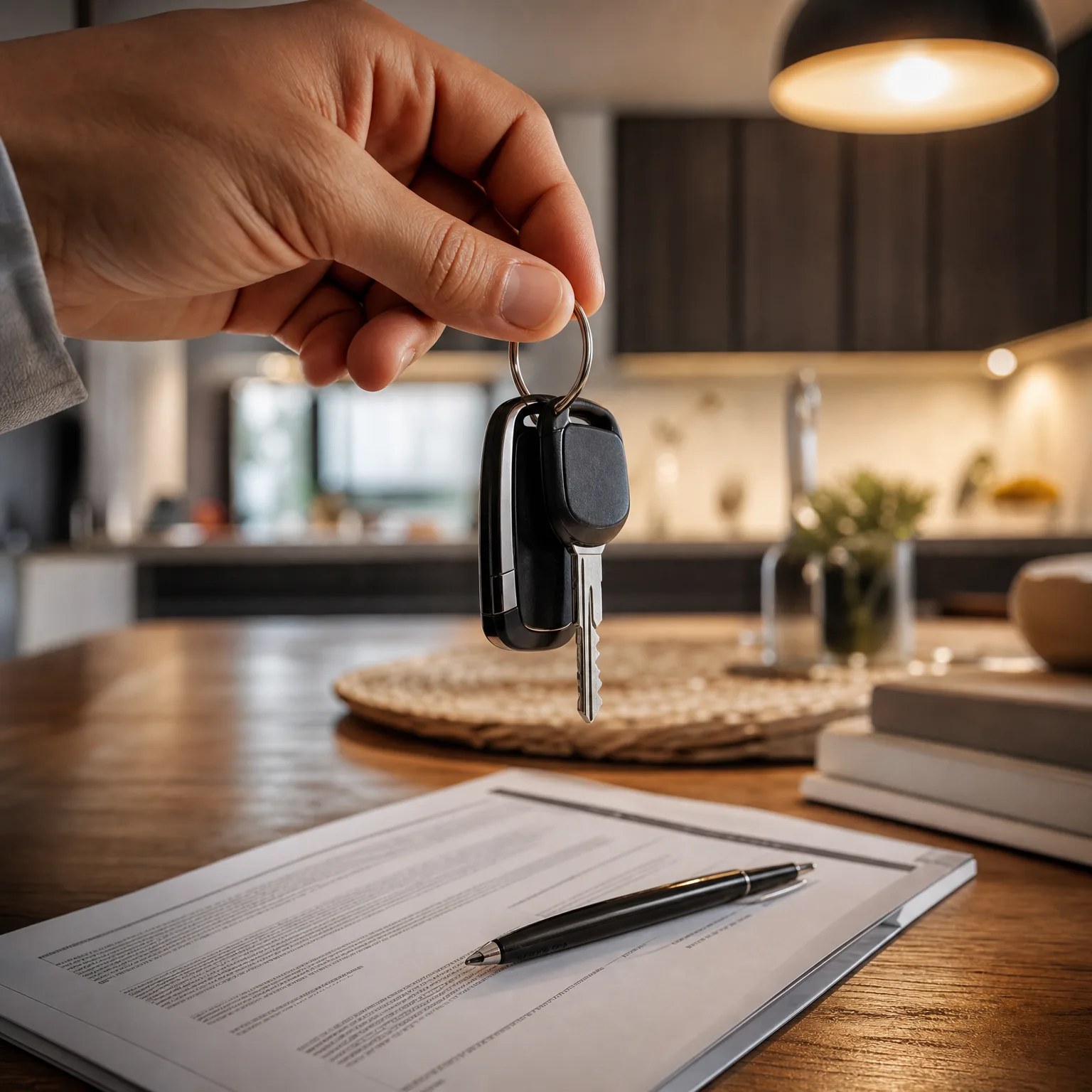
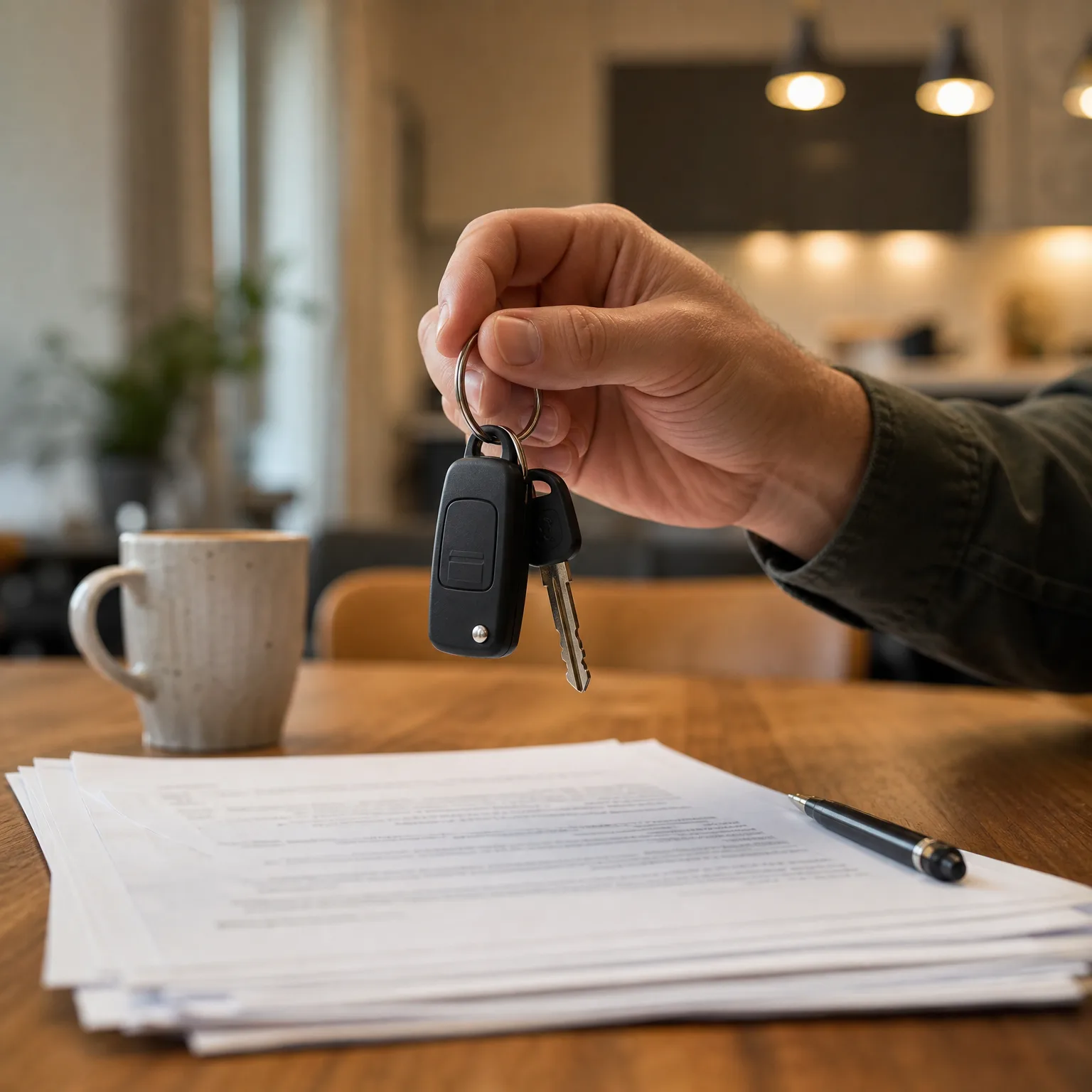
Bring the vehicle's title, signed by the seller on the transfer section. If you bought from a dealer, the dealer provides the title and handles the transfer paperwork. If you bought from a private party, both you and the seller must sign the title's assignment section. The DMV will not accept an unsigned title or a photocopy.
You also need a bill of sale showing the purchase price, date, and both parties' names. New York uses this document to calculate sales tax. If the vehicle was a gift, bring a Statement of Transaction form (DTF-802) instead, signed by the person who gave you the car.
If the title is held by a lienholder—a bank or finance company—the lienholder must send the title directly to the DMV or provide a lien release letter. You cannot register a vehicle when the title is still held by a lender unless that lender provides written authorization.

The DMV sees your insurance status in real time through the state's electronic verification system. A coverage lapse blocks registration at the counter, with no grace period.

Identity and Residency Verification
Bring a valid New York driver license or non-driver ID. If your license shows an address different from the address where the vehicle will be garaged, bring a second proof-of-residency document: a utility bill, bank statement, or mortgage statement dated within the last 90 days. The DMV requires current address documentation for registration.
If you recently moved to New York from another state, you must obtain a New York driver license before registering a vehicle. Out-of-state licenses are not accepted as primary identification for New York vehicle registration. Apply for your New York license first, then return to register the car.
If the vehicle will be registered in a business name, bring the business's formation documents—articles of incorporation, partnership agreement, or DBA certificate—and a federal Employer Identification Number. The DMV will not register a vehicle to a business entity without proof that the entity exists.
12,084,675
Licensed Drivers in NY
New York had 12,084,675 licensed drivers as of 2022, with 9,111,362 registered vehicles. The state's electronic insurance-verification system tracks coverage for every registered vehicle in real time, and a lapse triggers an immediate registration suspension.
New York State Department of Motor Vehicles, 2022
Sales Tax and Fee Payment
New York charges sales tax on vehicle purchases at your county's rate. Bring the bill of sale showing the purchase price. The DMV calculates the tax owed and collects it at registration. If you are registering a vehicle purchased out of state, bring proof that you paid sales tax in the other state. New York will credit that amount against what you owe here.
If the vehicle was a gift or inherited, you may qualify for a sales tax exemption. Bring the Statement of Transaction form (DTF-802) and any supporting documents—a will, estate paperwork, or an affidavit from the person who gave you the car. The DMV reviews exemption claims at the counter and may ask for additional proof.
Registration fees vary by vehicle weight and county. Bring a check or credit card. Some DMV offices do not accept cash.
What Happens If Documentation Is Incomplete
The DMV will not process a registration application with missing or incorrect documents. If your insurance has not been transmitted electronically, the clerk will see the vehicle as uninsured and will refuse to register it. If the title is unsigned or the bill of sale is missing, the transaction stops. You will need to leave, obtain the missing document, and return.
If you are registering multiple vehicles at once—common for households adding a second or third car—each vehicle requires its own complete documentation set. One title, one insurance card, one bill of sale per vehicle. The DMV processes each registration separately, and a missing document for one vehicle does not stop the others from being registered.
Prepare the Full Packet Before You Go
Gather every document before you leave for the DMV: the signed title, the bill of sale or gift form, your New York driver license, proof of residency if your address changed, and the New York State Insurance Identification Card. Call your insurer the day before to confirm that the vehicle's coverage has been transmitted to the DMV electronically. A missing document means a wasted trip and a delayed registration. Bring the full packet, and the process takes 20 minutes at the counter.
Proof of Insurance: NYS Insurance ID Card
Before you go to the DMV, contact your insurer and add the vehicle to your policy. The insurer will issue a New York State Insurance Identification Card showing the vehicle identification number, policy number, coverage effective date, and the insurer's name. Bring this card to the DMV. The clerk will verify your coverage electronically, but the card serves as your physical proof during the transaction and while driving.
The policy must meet New York's minimum requirements: $25,000 bodily injury per person, $50,000 per accident, $10,000 property damage, plus personal injury protection and uninsured motorist coverage. If you are adding a second or third vehicle to an existing policy, confirm with your carrier that the new vehicle appears on the electronic transmission before you go to the DMV. A vehicle not yet transmitted will show as uninsured in the DMV system, even if you have the card in hand.
Get Your Free Quote
Get My New York Car Insurance QuoteFrequently Asked Questions
Can I register a car in New York without insurance?
No. New York requires proof of insurance before the DMV will register any vehicle. Your insurer must transmit coverage data electronically to the DMV, and you must bring the New York State Insurance Identification Card to the counter. A lapse or gap blocks registration immediately.
What proof of insurance does New York DMV accept?
New York accepts the New York State Insurance Identification Card issued by your carrier. The DMV verifies coverage electronically through the state's insurance-verification system. Out-of-state insurance cards and SR-22 certificates are not used in New York.
Do I need the original title to register a car in New York?
Yes. The DMV requires the original title, signed by the seller in the transfer section. Photocopies, faxed titles, and unsigned titles are not accepted. If a lienholder holds the title, the lienholder must send it directly to the DMV or provide a lien release.
Can I register a car in New York with an out-of-state license?
No. You must have a valid New York driver license or non-driver ID to register a vehicle in New York. If you recently moved here, apply for your New York license first, then return to register the car.
What happens if my insurance lapses after I register the car?
New York's electronic system detects the lapse immediately and suspends your registration. You will receive a notice from the DMV, and you must pay a $50 termination fee plus provide proof of new coverage to reinstate the registration.
How do I register a car I received as a gift in New York?
Bring the signed title, a completed Statement of Transaction form (DTF-802) indicating the vehicle was a gift, and an affidavit from the person who gave you the car. You may qualify for a sales tax exemption, but the DMV reviews exemption claims at the counter.