
Multi-Car Insurance Discounts — New York
Free to compare
Why Your Third Car's Discount Is Smaller Than the Second's
You added a second car to your New York policy and saw a noticeable discount. Now you're adding a third vehicle and the savings are smaller—sometimes barely half what the second car delivered. That's not a pricing error. The multi-car discount in New York applies to the entire policy, not to each vehicle individually, and the percentage typically decreases with each additional car because the carrier has already discounted the base premium.
Most households assume each car qualifies for the same discount rate. Understanding this structure helps you set realistic expectations when you're adding vehicles and comparing carriers that write multi-vehicle policies in New York.
“A smaller discount on a lower base rate often beats a larger discount on a higher one.”
Meet New York's Requirements Without Overpaying
Get My New York Car Insurance Quote$1,081.61
NY Average Annual Auto Expenditure Per Vehicle
New York drivers paid an average of $1,081.61 per insured vehicle in 2023, according to NAIC data. Multi-car policies typically reduce this per-vehicle cost, but the discount shrinks with each additional car as the policy-level reduction compounds.
NAIC Auto Insurance Database Report 2023
How Multi-Car Discounts Actually Work in New York
The multi-car discount is a policy-level adjustment, not a per-vehicle credit. When you add a second car, the carrier recalculates the entire policy premium and applies a percentage reduction to the total. That reduction reflects the carrier's assumption that one household managing multiple vehicles represents lower administrative cost and more stable risk than separate single-car policies.
New York law requires minimum liability coverage of $25,000 per person for bodily injury, $50,000 per accident, and $10,000 for property damage, plus mandatory personal injury protection and uninsured motorist coverage. Every vehicle on your policy must meet these minimums. The multi-car discount applies after the carrier calculates the base premium for all vehicles at their required coverage levels.
The discount structure means your second car's savings come from reducing a higher base premium. The third car's discount applies to an already-discounted total, so the absolute dollar reduction is smaller even if the carrier advertises the same percentage. Carriers that write multi-vehicle policies in New York—including Geico, Progressive, State Farm, Allstate, and Farmers—all use this compounding structure, though the specific percentages vary by carrier.
The multi-car discount applies to the policy total, not to each car separately. The third vehicle's discount compounds on an already-reduced base, so the dollar savings shrink with each car you add.




When Adding a Car Costs More Than Expected
Adding a vehicle mid-term re-rates your entire policy, not just the new car. The carrier recalculates the premium for all vehicles based on current rates, which may have increased since your last renewal. If rates rose in your ZIP code or your driving record changed, the new total can exceed the old premium plus the cost of the added car.
New York's mandatory personal injury protection and uninsured motorist coverage apply to every vehicle. If you're adding a third car, you're adding a third set of PIP and UM coverage charges. These mandatory coverages do not qualify for the same discount percentages as liability or collision, so the per-vehicle cost for PIP and UM stays relatively flat even as your multi-car discount grows.
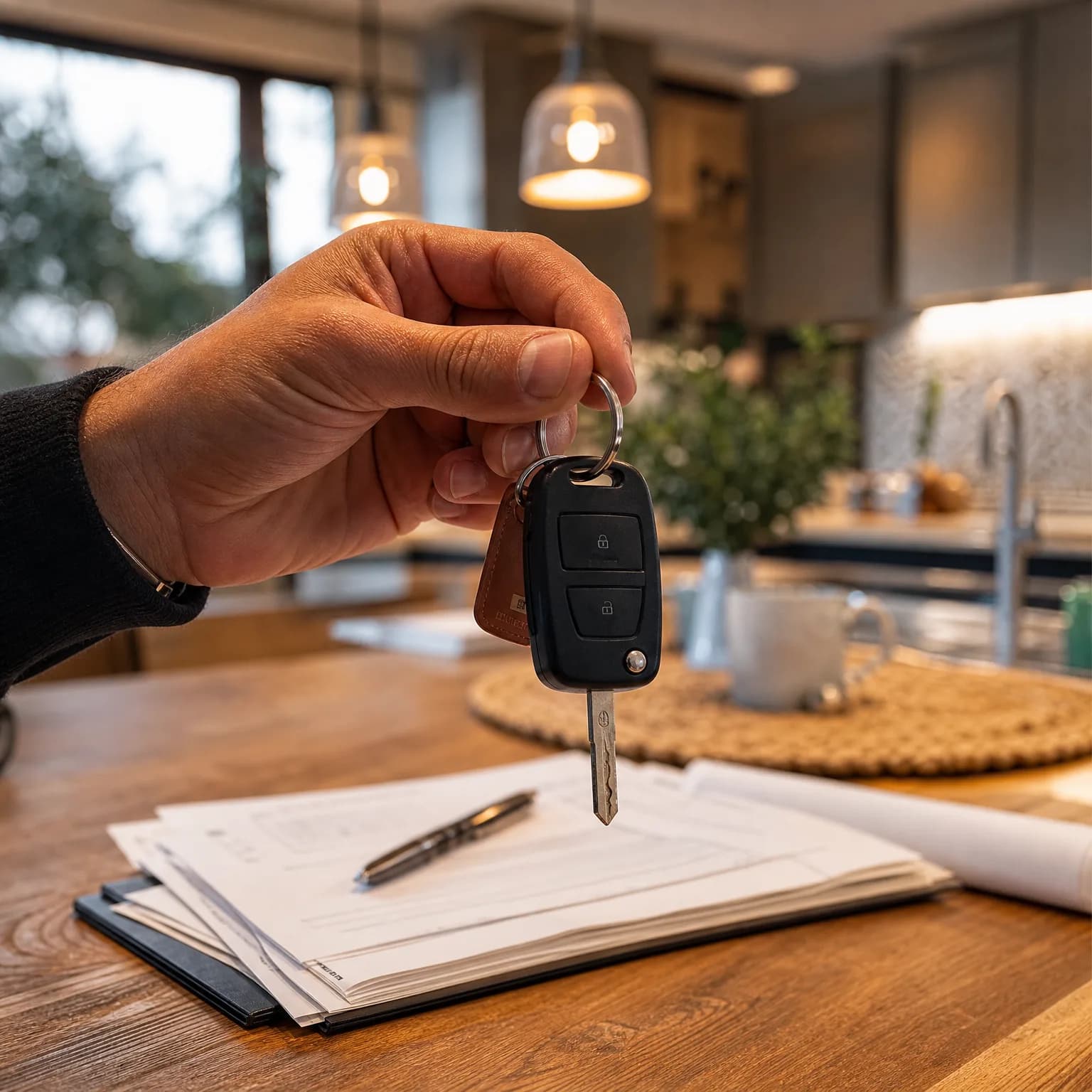
Households that add a vehicle titled to someone outside the immediate family—an adult child, a parent, or a roommate—sometimes find the carrier will not extend the multi-car discount to that car. Most carriers require all vehicles on the policy to be titled to the named insured or a household member living at the same address. If the new car does not meet that requirement, it may need its own policy, and you lose the discount on the vehicle you were counting on.
8.6%
NY Uninsured Motorist Rate
8.6% of New York motorists were uninsured in 2023. Multi-car households must carry uninsured motorist coverage on every vehicle, and this mandatory coverage does not discount as steeply as liability or collision when you add cars.
Insurance Research Council 2023
How to Structure Coverage Across Multiple Vehicles
Every vehicle on your New York policy must carry the state's minimum liability limits: $25,000 per person, $50,000 per accident, and $10,000 for property damage. You can choose higher limits for all vehicles or set different collision and comprehensive deductibles per car. Most carriers let you carry full coverage on newer vehicles and drop collision on older cars within the same policy, which preserves the multi-car discount while reducing premium on vehicles worth less than the deductible plus a year's collision premium.
If one car in your household is rarely driven—a classic car, a seasonal vehicle, or a third car used only for errands—ask your carrier about usage-based or low-mileage programs. Some carriers offer mileage discounts that stack with the multi-car discount. Geico and Progressive both write usage-based programs in New York that track mileage and driving behavior, and these programs apply per vehicle within a multi-car policy.
Compare Carriers That Write Your Household's Vehicles
The multi-car discount only works when all vehicles sit on one policy with one carrier. Comparing carriers means requesting quotes that include every car, every driver, and the same coverage levels across all vehicles. Fifteen carriers write multi-vehicle policies in New York—Geico, Progressive, State Farm, Allstate, Farmers, Liberty Mutual, Nationwide, Travelers, USAA, Hartford, Erie, CSAA, Amica, Mercury General, and National General—and base rates vary more than discount percentages. Start with carriers that write online quotes for multi-vehicle households: Geico, Progressive, and Liberty Mutual all let you add multiple cars and drivers in one session. Request quotes from at least three carriers, provide identical coverage details for all vehicles, and compare the final policy total after the multi-car discount applies.
Which Carriers Write the Best Multi-Vehicle Rates in New York
Geico, Progressive, State Farm, Allstate, and Farmers all write standard multi-vehicle policies in New York and advertise multi-car discounts. Geico and Progressive typically quote online for households with two to four vehicles. State Farm and Allstate often require an agent conversation when you're adding a third or fourth car, especially if drivers or garaging addresses differ. Farmers writes multi-vehicle policies through independent agents and may offer more flexibility for households with mixed vehicle types—sedans, SUVs, and trucks on one policy.
A smaller discount on a lower base rate often beats a larger discount on a higher one. When you're comparing carriers, request quotes for all vehicles together on one policy, not separate quotes per car. The multi-car discount only applies when every vehicle sits on the same policy. If a household member keeps a separate policy, that car does not count toward your multi-vehicle discount and you lose the policy-level reduction.
Get Your Free Quote
Get My New York Car Insurance QuoteFrequently Asked Questions
Does the multi-car discount apply to each vehicle separately in New York?
No. The multi-car discount applies to your total policy premium, not to each vehicle individually. When you add a second car, the carrier recalculates the entire policy and applies a percentage reduction to the new total. The third car's discount compounds on an already-reduced base, so the dollar savings shrink with each additional vehicle.
Can I get a multi-car discount if my vehicles are titled to different people?
Most carriers require all vehicles on the policy to be titled to the named insured or a household member living at the same address. If a car is titled to someone outside your household, the carrier may not extend the multi-car discount to that vehicle, and it may need its own policy.
Which carriers in New York offer the best multi-car discounts?
Geico, Progressive, State Farm, Allstate, and Farmers all write multi-vehicle policies in New York and advertise multi-car discounts. Base rates vary more than discount percentages, so a smaller discount on a lower base rate often costs less than a larger discount on a higher one. Compare final policy totals after the discount applies, not discount percentages alone.
What happens to my premium when I add a third car mid-term?
Adding a vehicle mid-term re-rates your entire policy, not just the new car. The carrier recalculates the premium for all vehicles based on current rates, which may have increased since your last renewal. If rates rose or your driving record changed, the new total can exceed the old premium plus the cost of the added car.
Do I need the same coverage on every car in a multi-vehicle policy?
No. Every vehicle must meet New York's minimum liability limits—$25,000 per person, $50,000 per accident, and $10,000 for property damage—plus mandatory PIP and uninsured motorist coverage. You can carry full coverage on newer vehicles and drop collision on older cars within the same policy, which preserves the multi-car discount while reducing premium.
Can I keep separate policies for different cars and still get a discount?
No. The multi-car discount only applies when all vehicles sit on one policy with one carrier. If a household member keeps a separate policy, that car does not count toward your multi-vehicle discount and you lose the policy-level reduction.