
Multi-Car Insurance Savings — New York
Free to compare
When Adding a Second Vehicle Changes Your Premium Structure
You just bought a second car and called your carrier to add it to your existing New York policy. The agent quoted a premium higher than you expected — not just the cost of insuring the new vehicle, but a re-rated total for both cars. You assumed adding a car would mean adding a flat amount. Instead, the entire policy recalculated.
New York requires every vehicle to carry $25,000 per person and $50,000 per accident in bodily injury liability, $10,000 in property damage liability, personal injury protection, and uninsured motorist coverage. When you add a vehicle mid-term, the carrier re-rates the policy using the combined risk profile of every car and driver on it. The multi-car discount applies to the new total, but the mandatory PIP and UM coverages stack per vehicle, so the savings depend on how many cars share the policy and where they're garaged.
“The multi-car discount reduces liability premiums, but New York's mandatory PIP and UM coverages stack per vehicle regardless of the discount.”

Meet New York's Requirements Without Overpaying
Get My New York Car Insurance Quote$25,000/$50,000/$10,000
New York Minimum Liability
Every vehicle registered in New York must carry at least $25,000 per person and $50,000 per accident in bodily injury liability, plus $10,000 in property damage liability. PIP and uninsured motorist coverage are mandatory on top of these minimums.
New York State Department of Motor Vehicles
Why the Multi-Car Discount Requires Same-Policy Enrollment
The multi-car discount applies when two or more vehicles sit on the same policy, issued to the same named insured, and typically garaged at the same address. A vehicle titled to a household member on a separate policy does not count toward your multi-car discount, even if you live in the same house. The discount reduces the per-vehicle premium, but it does not eliminate the mandatory PIP and UM charges that attach to each car.
New York's electronic insurance-verification system ties coverage to the vehicle identification number and the policy number. When you combine two policies after marriage or a household move, the carrier merges the vehicles onto one policy and applies the multi-car discount to the new total. The combined premium is usually lower than the sum of the two separate policies, but the savings depend on whether the vehicles share a garaging address and whether any driver on the policy has a violation or at-fault accident.
If one spouse has a clean record and the other has a recent ticket, combining policies may raise the clean-record spouse's premium because the carrier now rates both drivers against both vehicles. The multi-car discount offsets part of that increase, but not always all of it. Compare the combined quote against the sum of your current separate premiums before you merge.
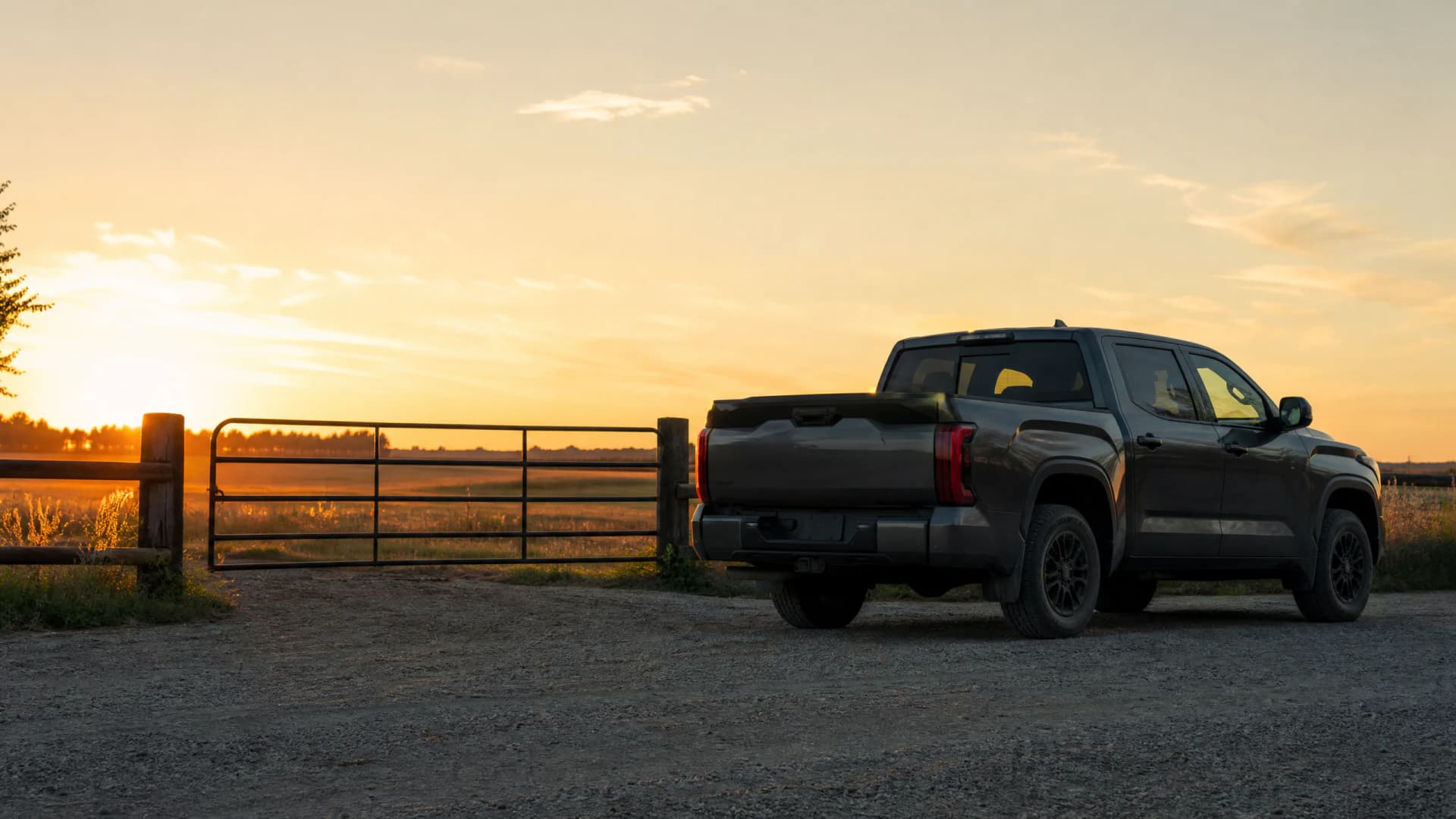
A vehicle titled to someone outside your household or on a different policy does not qualify for your multi-car discount, even if it's garaged at your address.





When Combining Policies After Marriage or a Move
You got married and each spouse has a separate auto policy. You want to combine them onto one policy to get the multi-car discount, but you're not sure whether the combined premium will be lower than the sum of your current premiums. The answer depends on the driving records of both spouses, the garaging address, and the vehicles.
When you combine policies, the carrier rates every driver against every vehicle. If one spouse has a ticket or an at-fault accident, that violation now applies to both cars, and the combined premium may be higher than the sum of the two separate policies. The multi-car discount offsets part of that increase, but not always enough to make combining cheaper. Request a combined quote before you cancel either existing policy.
New York's electronic insurance-verification system requires the insurer to notify the DMV when a policy is canceled or a vehicle is removed. If you cancel one policy to combine onto the other, the carrier transmits the cancellation notice immediately. Make sure the combined policy is active and both vehicles are listed before you cancel the old policy, or the DMV may suspend the registration on the vehicle that lost coverage.
8.6%
New York Uninsured Motorist Rate
Approximately 8.6% of New York motorists drive without insurance. Uninsured motorist coverage is mandatory on every vehicle and protects you when an at-fault driver has no coverage.
Insurance Information Institute, 2023

When a Household Member Moves In With a Vehicle
A household member moved in with a car of their own, and you need to know whether that car must go on your policy or can stay on a separate policy. New York carriers typically require every household member with a driver's license to be listed on your policy, either as a rated driver or as an excluded driver. If the household member keeps their car on a separate policy, your carrier may still require you to list them as a driver, and their driving record will affect your premium.
If you add the household member's car to your policy, the multi-car discount applies to both vehicles, but the carrier re-rates the entire policy using the combined risk profile of all drivers and vehicles. If the new household member has a recent violation, the combined premium may be higher than the sum of the two separate policies. Compare the combined quote against keeping the vehicles on separate policies before you make the change.
Compare Carriers That Write Multi-Car Policies in New York
New York has 16 carriers writing multi-car policies with varying discount structures and same-policy requirements. State Farm, Geico, Progressive, Allstate, and Nationwide all write multi-car policies in New York, but the discount amount and the garaging-address requirement differ by carrier. Some carriers require every vehicle to be garaged at the same address; others allow vehicles garaged at different addresses as long as they're titled to the same named insured.
Request quotes from at least three carriers and compare the combined premium for all vehicles on one policy against the sum of separate policies. Make sure every quote includes the mandatory PIP and uninsured motorist coverage for each vehicle, and verify that the multi-car discount is applied. The lowest per-vehicle premium does not always produce the lowest total premium when you add the mandatory coverages.
How New York's Mandatory Coverages Stack Per Vehicle
Personal injury protection pays up to $50,000 per person for medical expenses, lost wages, and other economic losses after an accident, regardless of fault. Uninsured motorist coverage pays for injuries caused by a driver with no insurance or a hit-and-run driver. Both coverages are mandatory in New York, and both attach to each vehicle on your policy. When you add a second car, you pay for PIP and UM on that car in addition to the first.
The multi-car discount reduces the liability premium for each vehicle, but it does not reduce the PIP or UM charges. If you're comparing a two-car policy to two separate single-car policies, the mandatory-coverage stack is the same either way — you pay for PIP and UM twice. The multi-car discount saves money on the liability, collision, and comprehensive portions, not on the mandatory no-fault coverages.
Get Your Free Quote
Get My New York Car Insurance QuoteFrequently Asked Questions
Does the multi-car discount apply if my spouse has a separate policy?
No. The multi-car discount requires every vehicle to sit on the same policy, issued to the same named insured. A vehicle on a separate policy does not count toward your discount, even if you live in the same household.
Can I add a household member's car to my policy to get the multi-car discount?
Yes, but the carrier will re-rate your entire policy using the combined risk profile of all drivers and vehicles. If the household member has a recent violation, the combined premium may be higher than keeping the vehicles on separate policies.
What happens if I add a second car mid-term?
The carrier re-rates your policy immediately using the combined risk profile of both vehicles and all drivers. The multi-car discount applies to the new total, but you pay for mandatory PIP and uninsured motorist coverage on the second car starting the day you add it.
Do both cars need to be garaged at the same address for the multi-car discount?
Most New York carriers require every vehicle on the policy to be garaged at the same address. Some allow different garaging addresses if the vehicles are titled to the same named insured, but the discount may be smaller.
Does combining two policies after marriage always save money?
Not always. If one spouse has a recent ticket or at-fault accident, combining policies may raise the clean-record spouse's premium. The multi-car discount offsets part of that increase, but compare the combined quote against the sum of your current premiums before you merge.
How much does the multi-car discount save in New York?
The discount amount varies by carrier and depends on the number of vehicles, the drivers' records, and the garaging address. Request quotes from multiple carriers to compare the combined premium for all vehicles on one policy.