
The Multi-Car Liability Question
You insure two, three, or four vehicles on one New York policy. You've confirmed the state minimum liability limits — $25,000 per person, $50,000 per accident, $10,000 property damage — and your carrier offers those minimums at the lowest premium. The question you're asking: is $50,000 per accident enough when your household operates multiple cars, or does a multi-vehicle household need higher limits to avoid personal exposure?
The structural reality: New York's $50,000 per-accident bodily injury cap is a shared ceiling across all injured parties in one crash, regardless of how many vehicles your household owns or how many are involved. A single at-fault accident involving serious injuries can exhaust that $50,000 in minutes, leaving your household personally liable for every dollar beyond the cap. This article walks the math, the exposure, and the decision framework for households that insure multiple vehicles.
Compare car insurance rates in your state
Get quotes from licensed carriers — no obligation, no spam, results in minutes.
Get Your Free QuoteNY Per-Accident Bodily Injury Cap
$50,000
New York requires $25,000 per person and $50,000 per accident in bodily injury liability. The $50,000 is the maximum your minimum-limit policy pays across all injured parties in one crash, no matter how many people are hurt.
New York State Department of Motor Vehicles
What the State Minimum Actually Covers
New York's mandatory liability minimum is $25,000 bodily injury per person, $50,000 bodily injury per accident, and $10,000 property damage per accident. The $25,000 per-person limit is the maximum your policy pays to any single injured party. The $50,000 per-accident limit is the maximum your policy pays across all injured parties combined, regardless of how many people are hurt or how many vehicles are involved.
The $10,000 property damage limit covers damage your vehicle causes to other people's cars, fences, buildings, or other property in one accident. If you cause a crash that damages three parked cars, your $10,000 property damage coverage is the total available to repair all three — not $10,000 per car.
These limits apply per accident, not per vehicle on your policy. Insuring four cars on one policy does not give you four times the coverage. One at-fault crash triggers one set of limits, and those limits are exhausted by the injuries and damage that crash causes.
The $50,000 per-accident cap is shared across all injured parties. A crash that seriously injures two people exhausts minimum coverage before the first ambulance bill is paid.
How Multi-Car Households Hit the Ceiling
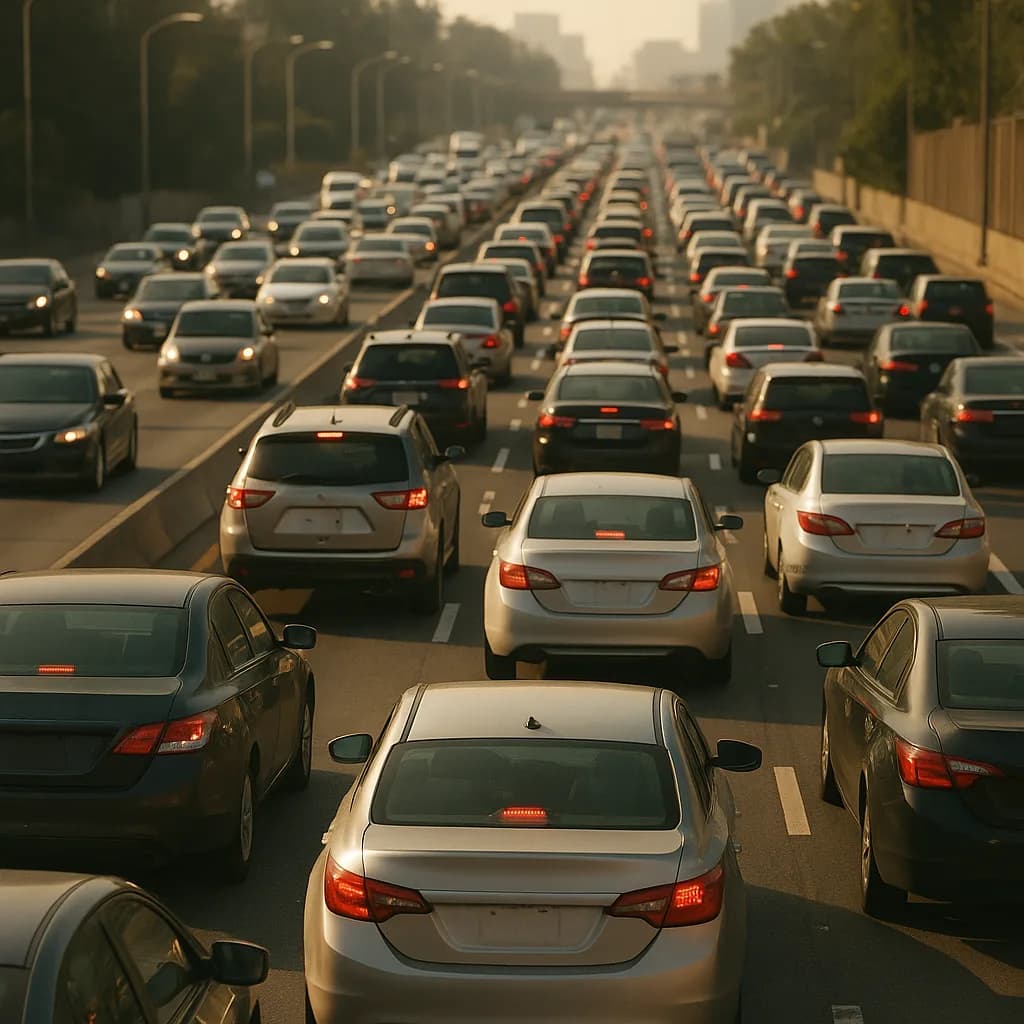
Consider a household with three vehicles: one driver causes an at-fault crash that injures two people in the other car.
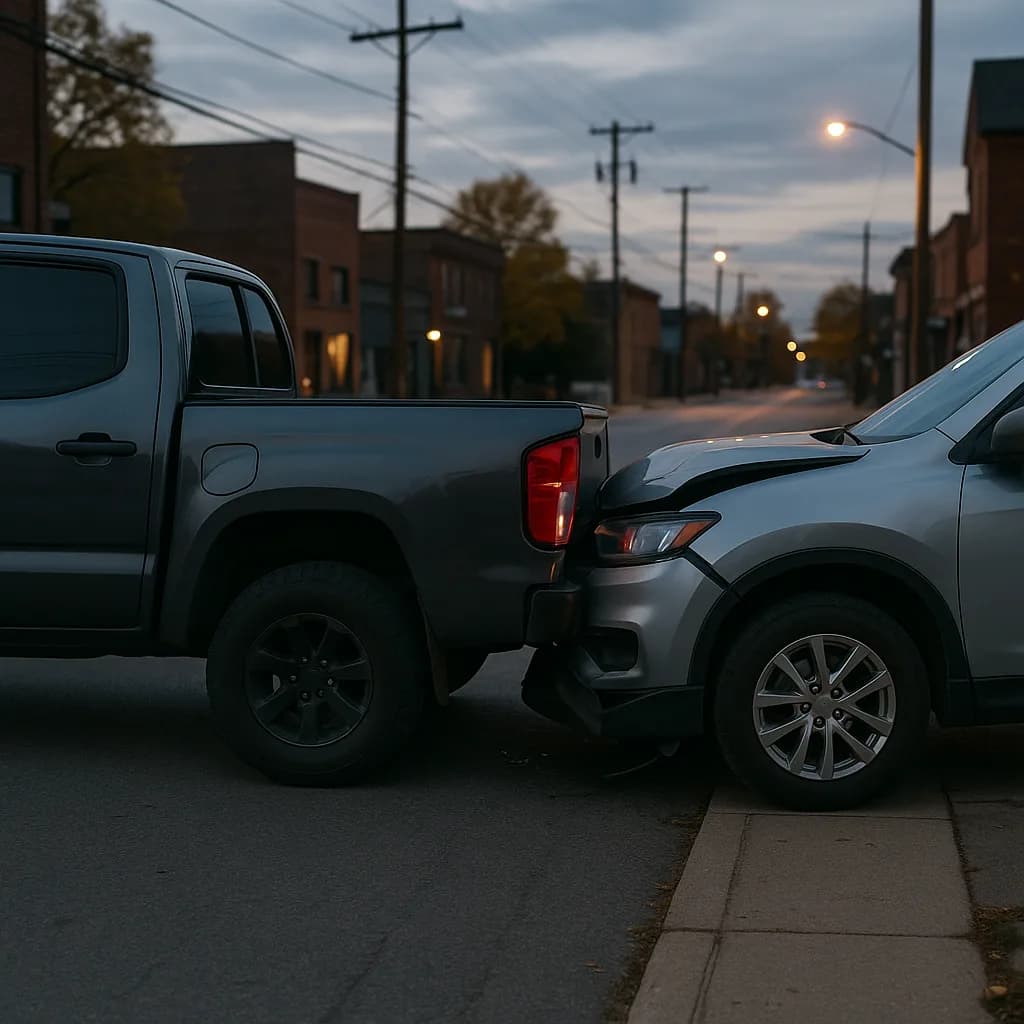
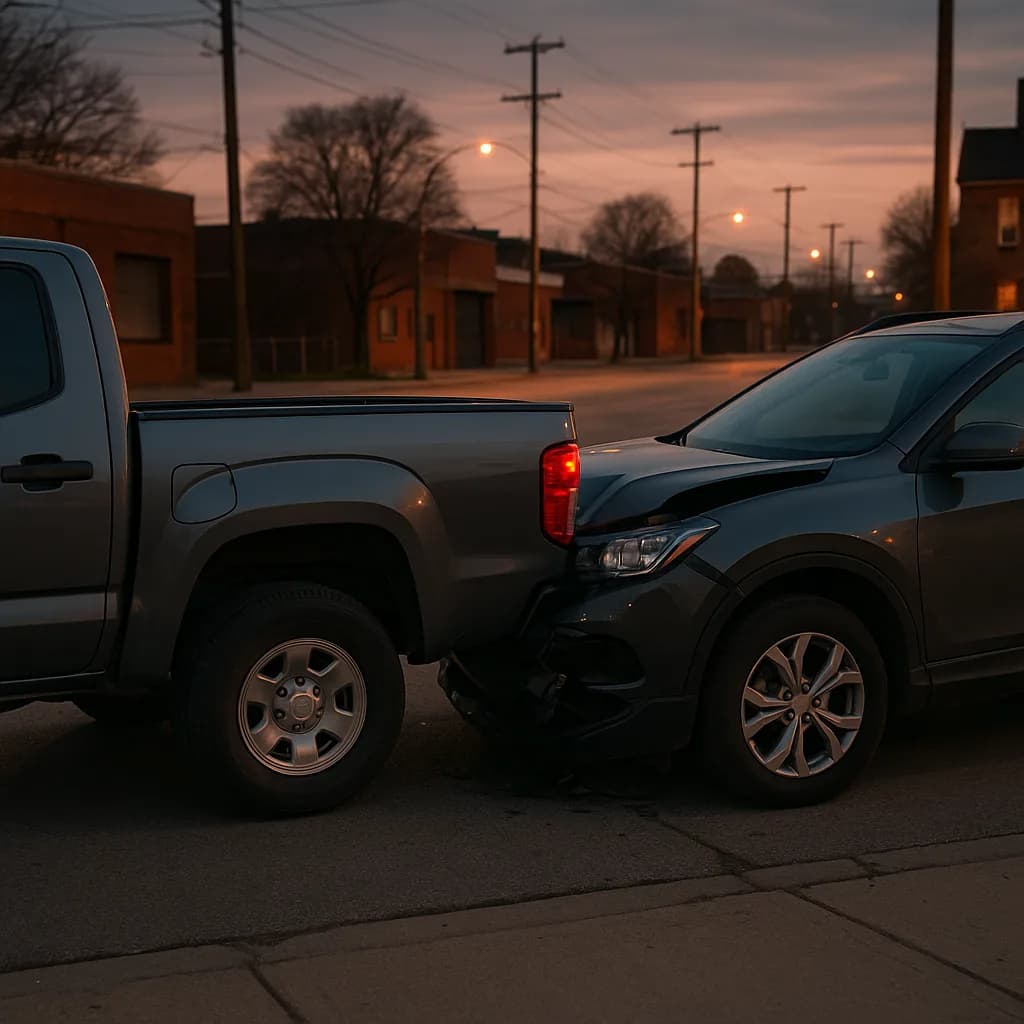
The property damage scenario follows the same structure. Your vehicle causes a crash that damages two parked cars and a storefront. The more vehicles your household operates, the more often one of them is on the road, and the higher the probability of an accident that exceeds minimum limits.
Related Articles




Higher Limits and How They Work
Carriers writing New York policies offer liability limits well above the state minimum. The per-accident figure is the shared ceiling; the per-person figure is the maximum any single injured party can collect from your policy.
Property damage limits follow the same structure. Raising your property damage coverage from $10,000 to $25,000 or $50,000 costs a modest premium increase and eliminates personal exposure for most crashes involving parked cars, fences, or storefronts. Multi-car households benefit disproportionately because the higher limit applies to every vehicle on the policy, and every driver in the household is covered when operating any of those vehicles.
NY Uninsured Motorist Rate
8.6%
8.6 percent of New York motorists drive without insurance. When an uninsured driver hits your household's vehicle, your uninsured motorist coverage pays your medical bills and lost wages up to your policy's UM limit. New York requires UM coverage, but the minimum matches your liability limit — raising liability also raises UM protection.
Insurance Information Institute, 2023
The Asset-Protection Threshold
The decision point for higher liability limits is not vehicle count — it is household asset exposure. If your household owns a home with equity, maintains savings or retirement accounts, or earns wages that can be garnished, you have assets a lawsuit can reach. New York law allows injured parties to collect judgments from those assets when your liability coverage is exhausted.
A common rule of thumb: carry liability limits at least equal to your household's net worth.
Compare Carriers and Lock Your Limits
Every carrier writing New York auto policies offers higher liability limits, but the premium increase for the same step-up varies by carrier. The only way to know is to compare quotes at multiple limit levels from multiple carriers.
Multi-car discounts apply to the entire policy, and the liability limit you choose applies to every vehicle and every driver on that policy. Locking higher limits now protects your household across every car you insure, every trip any household member takes, and every accident that occurs while your policy is in force.