
Teen Driver Car Insurance — New York
Free to compare
Adding a Teen Driver to Your New York Multi-Car Policy
Your teenager just got their license and you need to add them to your existing New York auto policy that already covers two or three household vehicles. You know the premium will increase, but you're unclear whether the state's mandatory coverages — personal injury protection and uninsured motorist — apply separately to each car or once to the entire policy, and whether your current limits are enough when a young driver enters the picture.
New York structures mandatory coverage at the policy level, not the vehicle level. When you add a teen driver to a multi-car policy, the state's minimum liability limits, PIP requirement, and uninsured-motorist mandate apply to the entire household policy. The teen can drive any vehicle listed on that policy, and every vehicle shares the same liability and mandatory-coverage structure. This is different from states where coverage follows the vehicle — in New York, coverage follows the policy, and every driver and vehicle on that policy operates under one shared set of limits.
“New York structures mandatory coverage at the policy level — when you add a teen driver, every vehicle on the policy shares the same liability and PIP limits.”

Meet New York's Requirements Without Overpaying
Get My New York Car Insurance Quote$25,000 / $50,000 / $10,000
New York Minimum Liability
New York requires at least $25,000 bodily injury per person, $50,000 bodily injury per accident, and $10,000 property damage on every auto policy. These are the legal minimums for any household, including one with a teen driver and multiple vehicles.
New York State Department of Motor Vehicles
How New York's Mandatory Coverages Apply to a Multi-Car Household
New York mandates three coverages on every auto policy: liability at the minimums above, personal injury protection, and uninsured motorist coverage. PIP pays medical expenses and lost wages for anyone injured in your vehicles, regardless of fault. Uninsured motorist coverage protects you when another driver causes an accident and has no insurance or insufficient coverage. Both are required by state law.
These mandatory coverages apply once per policy, not once per vehicle. If your household policy lists three cars and two drivers — you, your spouse, and now your teenager — the PIP and uninsured-motorist coverage protect all three vehicles and all three drivers under one shared structure. You do not buy separate PIP or uninsured-motorist coverage for the car your teen drives most often. The policy covers the household.
When you add a teen driver to an existing multi-car policy, the carrier re-rates the entire policy. The premium increase reflects the added risk of a young driver across all vehicles on the policy, because the teen is legally permitted to drive any of them. Some households assume the increase applies only to one vehicle — the car the teen drives — but New York's policy-level structure means the teen's risk profile affects the entire household premium.
The state does not require higher liability limits when a teen joins the policy, but many households choose to increase coverage above the minimums. A teen driver statistically presents higher accident risk, and the minimum $25,000 per person bodily injury limit can be exhausted quickly in a serious collision.

New York's mandatory PIP and uninsured-motorist coverage apply per policy, not per vehicle — adding a teen driver changes the household's entire coverage structure.


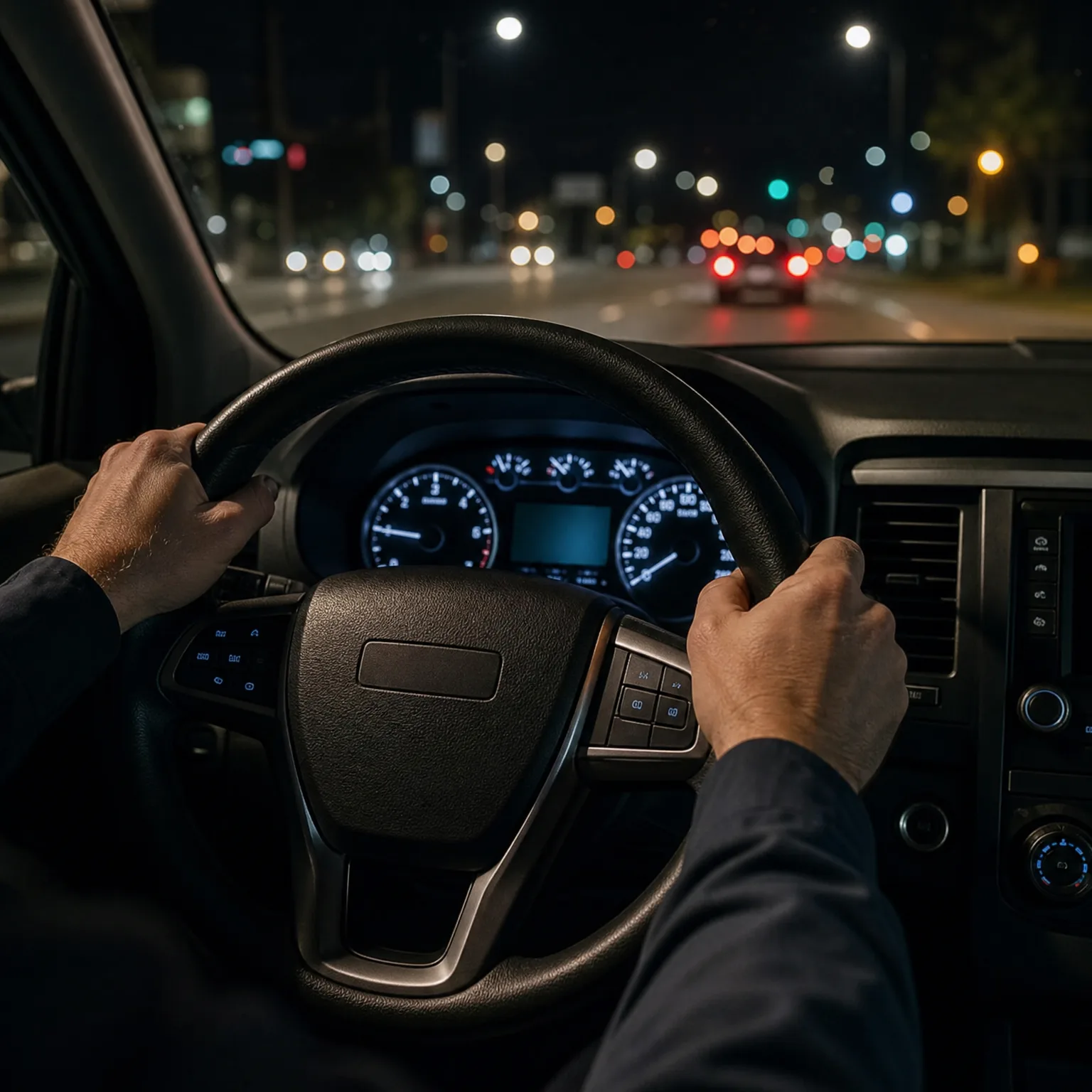




Choosing Which Vehicle the Teen Drives on a Multi-Car Policy
New York does not restrict which vehicle a licensed household member can drive. If your policy lists three cars — a sedan, an SUV, and a pickup — your teen is legally covered to drive any of them. Carriers ask which vehicle the teen will drive most often because that designation affects how the policy is rated. The teen is assigned a primary vehicle, and the carrier calculates the household premium based on that vehicle's make, model, year, safety features, and repair cost.
Households often assign the teen to the oldest or least expensive vehicle on the policy to minimize the premium increase. A 10-year-old sedan with standard safety features and lower replacement cost generates a smaller rate impact than a new SUV. The carrier still rates the teen as a driver across the entire policy, but the primary-vehicle assignment anchors the calculation. If the teen occasionally drives another household vehicle, the policy still covers that use — the primary-vehicle designation is a rating input, not a coverage restriction.
Some households buy a separate vehicle titled to the teen and consider placing it on a separate policy. This rarely lowers the combined household premium. New York carriers typically offer a multi-car discount when all household vehicles sit on one policy, and splitting the teen onto a standalone policy forfeits that discount. Additionally, a standalone policy for a teen driver — especially a newly licensed one — is almost always more expensive than adding the teen to an existing multi-car policy, even after the household premium increase.
12 carriers
New York Multi-Car Carriers
At least 12 major carriers write multi-car policies in New York and accept teen drivers: Allstate, Bristol West, CSAA, Erie, Farmers, Geico, Hartford, Liberty Mutual, Mercury General, National General, Nationwide, and Progressive. Compare quotes from carriers that write households with young drivers.
New York State Department of Financial Services

What Happens When the Teen Gets Their Own Car
If your teen buys or is given a car titled in their name, that vehicle must be added to the household policy or placed on a separate policy. New York requires proof of insurance to register any vehicle, and the state's electronic insurance-verification system cross-checks the DMV registration database against carrier filings in real time. An uninsured vehicle cannot be legally registered or driven.
Most households add the teen-owned vehicle to the existing multi-car policy. The carrier lists the teen as the primary driver of that vehicle and re-rates the policy accordingly. The household retains the multi-car discount, and the teen remains covered under the same PIP and uninsured-motorist structure as the other household vehicles. If the teen-owned car is titled solely to the teen and the teen lives at a different address — for example, a college student living on campus — some carriers allow or require a separate policy. That decision depends on the carrier's underwriting rules and whether the teen is still considered a household member for rating purposes.
Compare Carriers That Write Teen Drivers on Multi-Car Policies
Not every carrier writes teen drivers at the same rate, and not every carrier offers the same multi-car discount structure. Geico, Progressive, State Farm, Allstate, and Nationwide all write New York households with teen drivers and multiple vehicles, but their rating models differ. Some carriers weight the teen's age and license stage more heavily; others emphasize the vehicle assignment or the household's overall driving history. Request quotes from at least three carriers that write multi-car policies in New York and compare the total household premium after adding the teen, not just the incremental increase. The carrier with the lowest rate before adding the teen may not remain the lowest after. Use the site's comparison tool to see which carriers write your household structure and request quotes that reflect New York's mandatory PIP and uninsured-motorist requirements.
Graduated Driver Licensing and Multi-Car Policy Structure
During the learner-permit stage, your teen must complete 50 hours of supervised driving over a minimum six-month holding period before applying for a junior license. Most carriers require you to list a permitted driver on the policy once they begin driving household vehicles, even under supervision. The carrier rates the permit holder at a lower risk tier than a licensed driver, but the premium still increases. The permit holder can drive any vehicle on the policy as long as a supervising licensed driver age 21 or older sits in the front seat.
At age 16.5, your teen becomes eligible for a junior license after passing the road test. The junior license carries night restrictions — no driving between 9pm and 5am, stricter in NYC and Long Island — and passenger restrictions: no more than one passenger younger than 21 unless a parent or guardian is in the vehicle. The carrier re-rates the policy when the junior license is issued, typically at a higher premium than the permit stage. At age 17 or after six months with a clean junior-license record, your teen qualifies for a senior license with no restrictions, and the carrier rates them as a fully licensed young driver.
Get Your Free Quote
Get My New York Car Insurance QuoteFrequently Asked Questions
Do I need to add my teenager to my car insurance when they get a learner permit in New York?
Yes, most carriers require you to list a permitted driver on the policy once they begin driving household vehicles, even under supervision. The carrier rates the permit holder at a lower risk tier than a licensed driver, but the premium increases. New York requires 50 hours of supervised driving over a minimum six-month holding period before the teen can apply for a junior license at age 16.5.
Can my teenager drive any car on our multi-car policy in New York?
Yes, a licensed household member can legally drive any vehicle listed on the policy. The carrier asks which vehicle the teen will drive most often for rating purposes, but that primary-vehicle designation does not restrict coverage. If your teen occasionally drives another household vehicle, the policy covers that use.
Does New York require higher liability limits when I add a teen driver to my policy?
No, the state minimum liability limits remain $25,000 per person, $50,000 per accident, and $10,000 property damage regardless of the driver's age. Many households choose to increase coverage above the minimums when adding a teen because young drivers statistically present higher accident risk, and minimum limits can be exhausted quickly in a serious collision.
Will my premium go down when my teenager turns 18 in New York?
Turning 18 does not automatically lower the premium. Carriers re-rate young drivers as they age and gain experience, typically seeing gradual decreases at ages 19, 21, and 25. The premium reduction depends on the teen's driving record — a clean record over several years produces larger decreases than a record with violations or accidents.
Should I put my teenager on a separate car insurance policy in New York?
A standalone policy for a teen driver is almost always more expensive than adding the teen to an existing multi-car policy. New York carriers offer multi-car discounts when all household vehicles sit on one policy, and splitting the teen onto a separate policy forfeits that discount. Keep the teen on the household policy unless the teen lives at a different address and the carrier requires separation.
What is New York's junior license and how does it affect car insurance?
A junior license is issued to drivers age 16.5 to 17 after passing the road test. It carries night restrictions (no driving 9pm to 5am, stricter in NYC and Long Island) and passenger restrictions (no more than one passenger younger than 21 unless a parent is present). Carriers rate junior-license holders at a higher premium than permit holders but lower than unrestricted senior-license holders. At age 17 or after six months with a clean record, the teen qualifies for a senior license.