
Young Driver Insurance Cost — New York
Free to compare
When Adding a Young Driver Re-Rates Your Entire Policy
You just added a 17-year-old driver to your New York household policy and the premium for all three vehicles jumped. The carrier re-rated the entire policy based on the youngest driver in the household, not just the car your teenager drives. This is the structural reality most households miss: a young driver on the policy affects the rate for every vehicle listed, even the cars they never touch.
New York requires every household driver to appear on the policy or be explicitly excluded. When you add a young driver, the carrier assigns them as a rated driver across the household fleet. The multi-car discount still applies, but the base rate for each vehicle reflects the household's highest-risk driver. Understanding how carriers price young drivers across multiple vehicles helps you decide whether one shared policy or a separate policy for the young driver's car makes sense for your household.
“A young driver on a three-vehicle policy raises the rate for all three cars; a separate policy isolates that cost to one vehicle.”

Meet New York's Requirements Without Overpaying
Get My New York Car Insurance Quote$25,000/$50,000/$10,000
New York Minimum Liability
New York requires $25,000 bodily injury per person, $50,000 per accident, and $10,000 property damage. PIP and uninsured motorist coverage are also mandatory. Young drivers must meet these minimums on every vehicle they're rated to drive.
New York State Department of Motor Vehicles
How Young Driver Rating Works Across Multiple Vehicles
Carriers assign each driver in the household to a primary vehicle, then rate that driver across all vehicles they have access to. A young driver listed on a three-vehicle policy becomes a rated driver for all three cars, even if they only drive one. The carrier calculates the young driver's rate for each vehicle and applies it to the policy premium. The multi-car discount reduces the total, but the underlying rate for each vehicle reflects the young driver's risk profile.
Some carriers allow you to exclude a young driver from specific vehicles, which removes them as a rated driver for those cars. The exclusion must be explicit: the young driver cannot drive the excluded vehicle under any circumstance, and the carrier will deny a claim if they do. Exclusions work when the young driver has their own car and genuinely never drives the household's other vehicles. If your household shares vehicles, exclusions create more risk than savings.
The alternative structure: a separate policy for the young driver's car. The young driver becomes the named insured on their own policy, and your household policy covers only the vehicles you and other household adults drive. This structure works when the young driver owns or is the primary operator of one specific vehicle. The young driver's policy costs more per vehicle than your household rate, but your household policy no longer carries the young driver's rate across multiple cars. The math depends on how many vehicles sit on your household policy and whether the young driver genuinely operates only one car.
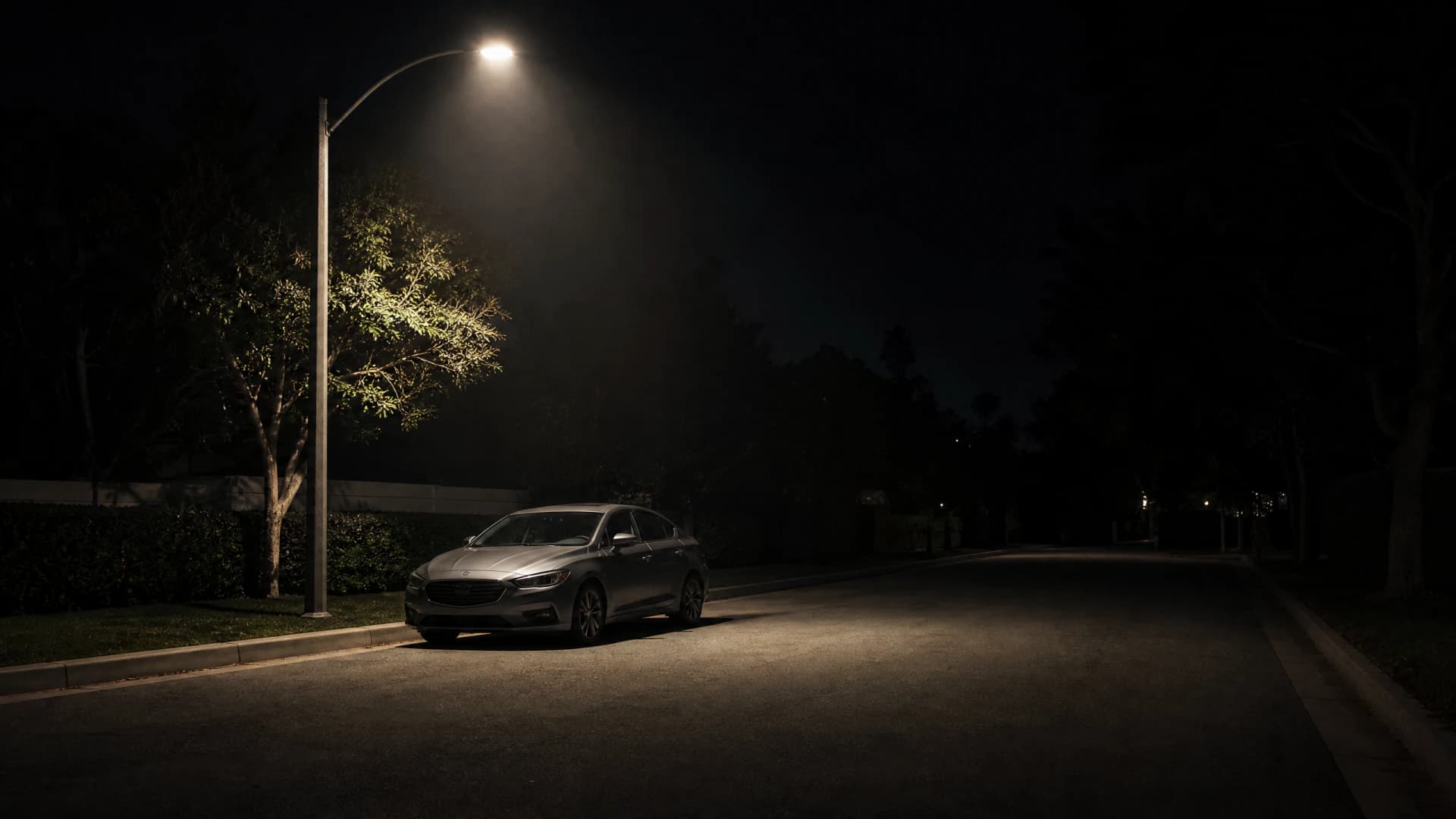
A young driver on a three-vehicle household policy raises the rate for all three cars. A separate policy for the young driver's car isolates that rate to one vehicle.






New York Coverage Requirements for Young Drivers
New York mandates liability, PIP, and uninsured motorist coverage on every vehicle. Young drivers must carry these minimums whether they're on your household policy or their own. PIP covers medical expenses and lost wages regardless of fault, and uninsured motorist coverage protects the young driver if they're hit by a driver without insurance. New York's no-fault system means PIP pays first after an accident, before liability coverage applies.
Collision and comprehensive coverage are optional but required if the vehicle is financed or leased. A young driver's car financed through a bank or credit union must carry both. Collision covers damage to the young driver's car in an at-fault accident; comprehensive covers theft, vandalism, and weather damage. Dropping these coverages on an older car the young driver owns outright lowers the premium but leaves the vehicle uninsured for physical damage.
The coverage limits you choose apply to every vehicle on the policy. A separate policy for the young driver allows you to set different limits: your household policy can carry higher limits for the vehicles you drive, and the young driver's policy can carry state minimums to reduce cost. This flexibility matters when the young driver operates an older car with lower value.
15 carriers
New York Multi-Vehicle Carriers
Fifteen carriers in New York write policies covering households with multiple vehicles and young drivers. Comparing quotes from carriers that specialize in young-driver households often produces better rates than staying with a carrier that prices young drivers uniformly across all vehicles.
New York State Department of Financial Services

Which Carriers Write Young Driver Households in New York
Geico, Progressive, State Farm, Allstate, and Nationwide write multi-vehicle policies in New York and allow young drivers on household policies. Each carrier prices young drivers differently: some apply a flat surcharge per young driver, others rate the young driver individually to each vehicle. Geico and Progressive offer online quoting for households with young drivers; State Farm and Allstate require an agent quote. Comparing quotes from at least three carriers shows the range of how each structures young-driver pricing across multiple vehicles.
USAA writes young-driver households for military families and consistently prices young drivers lower than standard carriers. Erie and Travelers write young-driver policies in New York but require agent quotes and do not publish young-driver rates online. If your household qualifies for USAA, request a quote first. If not, start with Geico and Progressive for online quotes, then request agent quotes from State Farm or Allstate to compare.
When to Add the Young Driver and When to Wait
New York requires you to add a young driver to your policy when they receive a learner's permit or junior license. Carriers allow a grace period, typically 30 days, to report the new driver. Missing that window can result in a denied claim if the young driver has an accident during the unreported period. Add the young driver to your policy as soon as they receive their permit, even if they're not driving yet. The carrier rates them as an occasional driver until they receive a full license.
Some households delay adding a young driver by keeping the teenager off the policy until they buy or are assigned their own car. This violates the policy's household-driver disclosure requirement. If the young driver lives in your household and has a license, they must appear on your policy or be explicitly excluded. Excluding a young driver who lives with you only works if they genuinely never drive any household vehicle. Carriers audit household drivers at renewal and will add undisclosed drivers retroactively, which can trigger a premium increase and a coverage gap for any accidents that occurred during the undisclosed period.
Comparing One Policy Versus Two for Young Drivers
One shared policy keeps the multi-car discount and simplifies administration: one renewal date, one payment, one set of coverage limits. The young driver's rate applies to every vehicle, but the multi-car discount offsets part of that increase. This structure makes sense when your household has two vehicles and the young driver will use both, or when the cost of a separate policy for one vehicle exceeds the increase from adding the young driver to the household policy.
A separate policy for the young driver's car removes their rate from your household vehicles. Your household policy covers the cars you and other adults drive at your own rate, and the young driver's policy covers their car at the higher young-driver rate. This structure costs less when your household insures three or more vehicles and the young driver operates only one. The separate policy loses the multi-car discount, but the household policy's rate for multiple vehicles stays lower without the young driver factored in.
Get Your Free Quote
Get My New York Car Insurance QuoteFrequently Asked Questions
Does adding a young driver to my New York policy increase the rate for every car?
Yes. When you add a young driver to a multi-vehicle policy in New York, the carrier rates that driver across all vehicles on the policy, even cars the young driver never drives. The young driver's rate applies to each vehicle, then the multi-car discount reduces the total premium.
Can I exclude my teenager from some vehicles on my New York policy?
Yes, but the exclusion must be explicit and enforced. An excluded driver cannot operate the excluded vehicle under any circumstance. If they do and have an accident, the carrier will deny the claim. Exclusions work only when the young driver has their own car and genuinely never drives your other vehicles.
Is a separate policy for my teenager's car cheaper than adding them to my household policy?
It depends on how many vehicles your household insures. A separate policy for the young driver's car costs more per vehicle but removes the young driver's rate from your household's other cars. If you insure three or more vehicles, a separate policy for the teenager often costs less overall than adding them to the household policy.
What coverage does New York require for a young driver's car?
New York requires $25,000/$50,000/$10,000 liability, PIP, and uninsured motorist coverage on every vehicle a young driver operates. Collision and comprehensive are optional unless the car is financed or leased. If the young driver owns an older car outright, you can drop physical-damage coverage to lower the premium.
When do I have to add a young driver to my New York policy?
You must add a young driver when they receive a learner's permit or junior license. Carriers allow a 30-day grace period to report the new driver. Failing to add them within that window can result in a denied claim if the young driver has an accident during the unreported period.
Which New York carriers write policies for households with young drivers?
Geico, Progressive, State Farm, Allstate, Nationwide, USAA, Erie, and Travelers write multi-vehicle policies in New York that include young drivers. Geico and Progressive offer online quotes; State Farm and Allstate require agent quotes. USAA serves military families and consistently prices young drivers lower than standard carriers.