
Clean-Record Car Insurance — New York
Free to compare
The Multi-Car Policy Structure Clean-Record Drivers Miss
You own two or three vehicles, you have no tickets or accidents on your record, and you're meeting New York's mandatory coverage requirements: $25,000 per person and $50,000 per accident in bodily injury liability, $10,000 in property damage, plus personal injury protection and uninsured motorist coverage. You assume your clean record automatically gets you the best rate. It doesn't. The structure of your policy matters more than your driving history when you insure multiple vehicles.
Most clean-record households in New York carry separate policies for each vehicle or each driver. That structure costs more than a single multi-car policy covering every vehicle under one account, even when every driver has a spotless record. The multi-vehicle discount applies only when all cars sit on the same policy, garaged at the same address, and listed under the same named insured. Separate policies mean you're paying full base rates on each one, with no discount applied.
“Two single-car policies cost more than one two-car policy, even when both drivers have clean records and identical coverage limits.”
Meet New York's Requirements Without Overpaying
Get My New York Car Insurance Quote$25,000/$50,000/$10,000
New York Minimum Liability
New York requires $25,000 per person, $50,000 per accident in bodily injury liability, and $10,000 in property damage. PIP and uninsured motorist coverage are also mandatory. Clean-record drivers meet these minimums easily, but the structure of the policy determines whether the multi-car discount applies.
New York State Department of Motor Vehicles
Why Separate Policies Cost More for Clean-Record Households
A clean driving record qualifies you for preferred or standard tier pricing with most carriers. But tier placement is only the starting point. The multi-vehicle discount reduces the base premium when you insure two or more cars on one policy. That discount typically ranges from a modest percentage to a more significant reduction depending on the carrier and the number of vehicles. You don't get it when each car sits on its own policy.
New York households often split policies when a spouse, adult child, or household member wants their own account. The reasoning makes sense: separate policies feel cleaner, each driver manages their own coverage, and billing is straightforward. But the math doesn't work. Two single-car policies cost more than one two-car policy, even when both drivers have clean records and identical coverage limits.
The multi-car discount requires every vehicle to be listed on the same policy, garaged at the same address, and owned or regularly used by members of the same household. If one car is titled to a household member who maintains a separate policy at a different address, that vehicle doesn't count toward the multi-car discount on your policy. The same-policy requirement is structural, not negotiable.
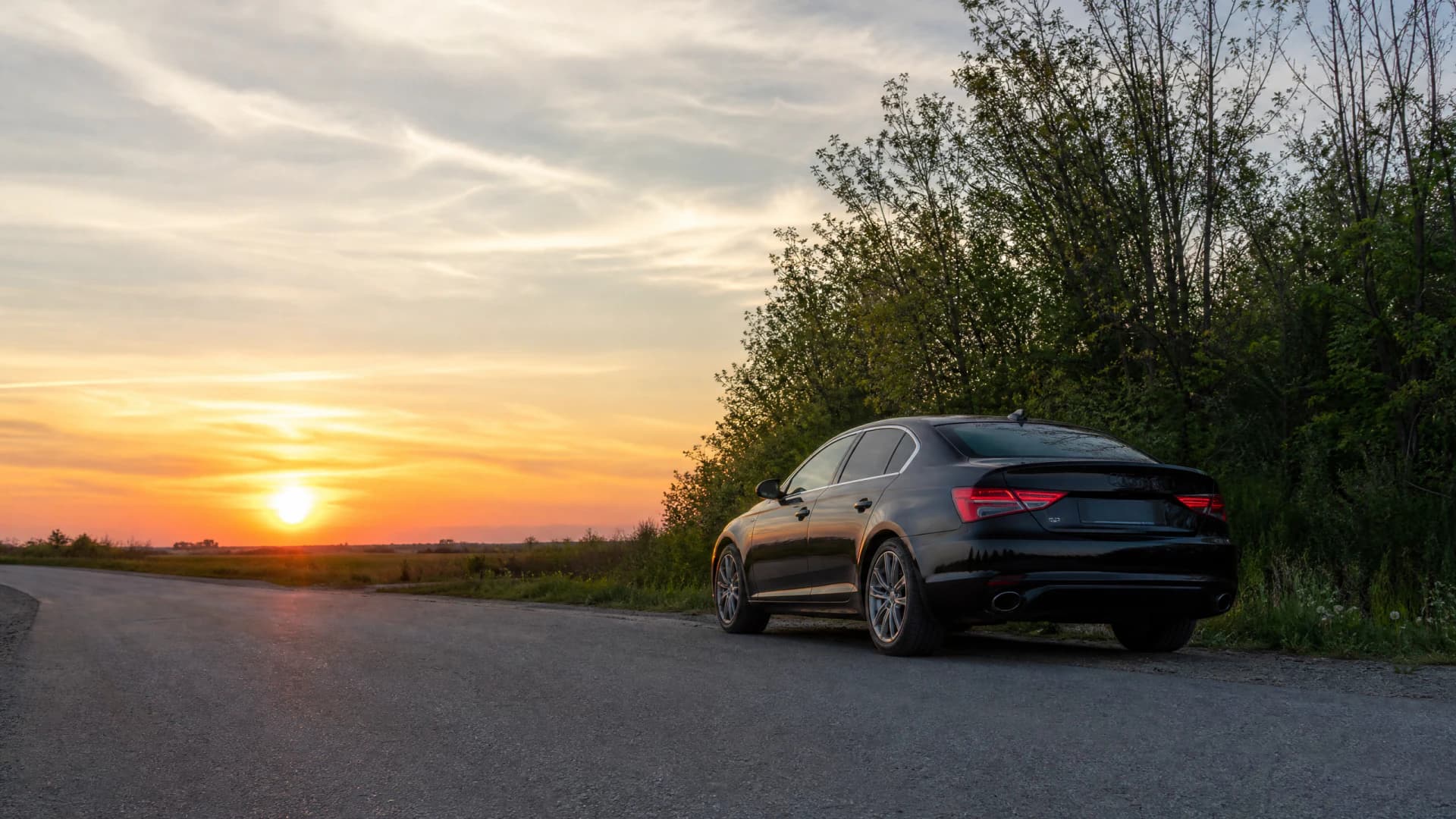
The multi-car discount applies only when every vehicle sits on one policy. Separate policies mean you pay full base rates on each, even with a clean record.





When Adding a Vehicle Changes the Multi-Car Discount
Adding a third or fourth vehicle to an existing multi-car policy re-rates the entire policy, not just the new car. The carrier recalculates the premium based on the combined risk of all vehicles and all listed drivers. Clean-record households usually see a smaller per-vehicle cost as they add cars, because the multi-vehicle discount increases with the number of vehicles. But the total premium goes up, because you're insuring more assets.
New York carriers typically allow a grace period of 14 to 30 days to report a newly purchased or acquired vehicle. During that window, the new car is covered under your existing policy's terms. After the grace period expires, an unreported vehicle can be denied at claim time. Report the new vehicle to your carrier immediately after purchase, provide the VIN and title information, and confirm the updated premium. The carrier will add the vehicle mid-term and adjust your billing accordingly.
If the newly added vehicle is titled to a household member who does not appear on your current policy, the carrier may require that person to be listed as a driver. That addition can change the policy's rating, even if the new driver has a clean record. Some carriers treat any household member of driving age as a potential operator and rate the policy accordingly. Ask your carrier how they handle household members who own vehicles but are not the primary policyholder.
15 carriers
New York Multi-Car Writers
At least 15 major carriers write multi-vehicle policies in New York, including Allstate, Geico, Progressive, State Farm, Farmers, Liberty Mutual, Nationwide, and Travelers. Clean-record households can compare quotes across carriers to find the best combined rate for their vehicles. Each carrier's multi-car discount structure and tier placement differs.
New York State Department of Financial Services carrier roster
Comparing Carriers for Multi-Vehicle Clean-Record Households
Not every carrier prices multi-car policies the same way. Some apply a larger discount for the second vehicle, others increase the discount with each additional car. Some carriers offer better rates for clean-record households in certain counties or ZIP codes. The only way to know which carrier offers the lowest combined premium for your specific household is to compare quotes with identical coverage limits across multiple carriers.
Request quotes for the same coverage levels from at least three carriers. Specify New York's mandatory minimums plus any additional coverage you want: higher liability limits, collision and comprehensive with your preferred deductible, and any optional coverages like rental reimbursement or roadside assistance. Provide accurate information about every vehicle and every driver. Inaccurate information at quote time leads to premium adjustments after the policy is issued, and those adjustments almost always increase the cost.
Next Step: Compare Multi-Car Quotes for Your Household
You know your driving record is clean, and you know New York's coverage requirements. The next decision is whether your current policy structure is costing you more than it should. If you're insuring multiple vehicles on separate policies, or if you're adding a vehicle to an existing policy, compare quotes from carriers that write multi-car policies in New York. Provide the details for every vehicle and every driver in your household, specify the coverage limits you want, and review the combined premium each carrier offers. The multi-vehicle discount is structural, not automatic. You get it only when every car sits on one policy.
How to Consolidate Policies Without Losing Coverage
Contact your current carrier first. Ask whether they offer a multi-vehicle discount and what the combined premium would be for all your household's cars on one policy. Provide the VIN, year, make, and model for each vehicle, plus the name and license number of every driver who will operate them. The carrier will re-rate the entire policy based on the household's combined risk profile. Clean-record households typically see a lower combined premium than the sum of their separate policies, but the exact amount depends on the vehicles, coverage levels, and garaging address.
If you currently have policies with different carriers, you'll need to cancel one or more policies and move all vehicles to a single carrier. Check your current policy's cancellation terms. Most carriers allow mid-term cancellation without penalty, and you'll receive a prorated refund for unused premium. Coordinate the effective date of the new multi-car policy with the cancellation date of the old policies to avoid a coverage gap. New York requires continuous proof of insurance, and even a one-day lapse triggers a $50 termination fee plus potential registration suspension.
Get Your Free Quote
Get My New York Car Insurance QuoteFrequently Asked Questions
Does a clean driving record automatically qualify me for the multi-car discount in New York?
No. A clean record qualifies you for preferred or standard tier pricing, but the multi-car discount applies only when you insure two or more vehicles on the same policy. If each car sits on a separate policy, you pay full base rates on each one, regardless of your driving history.
Can I combine policies if my spouse and I use different carriers?
Yes. One of you will need to cancel your current policy and move your vehicle to the other's carrier. Coordinate the effective date of the new multi-car policy with the cancellation date to avoid a coverage gap. New York requires continuous proof of insurance, and even a one-day lapse triggers a $50 termination fee.
What happens to my premium when I add a third vehicle to my multi-car policy?
The carrier re-rates the entire policy based on the combined risk of all three vehicles and all listed drivers. Clean-record households usually see a smaller per-vehicle cost as they add cars, but the total premium increases because you're insuring more assets. Report the new vehicle within your carrier's grace period to avoid claim denial.
Do all New York carriers offer the same multi-car discount?
No. Each carrier structures the multi-vehicle discount differently. Some apply a larger discount for the second vehicle, others increase the discount with each additional car. Compare quotes from at least three carriers with identical coverage limits to find the lowest combined premium for your household.
Can I get the multi-car discount if one vehicle is titled to my adult child who lives with me?
Yes, if the vehicle is garaged at your address and your adult child is listed as a driver on your policy. The multi-car discount requires all vehicles to sit on the same policy and be garaged at the same address. If your adult child maintains a separate policy at a different address, that vehicle doesn't count toward your multi-car discount.