
Driving Without Insurance — New York
Free to compare
What Happens When You Are Caught Driving Without Insurance
You were stopped at a checkpoint, pulled over for a traffic violation, or involved in an accident, and the officer asked for your insurance card. You could not produce one because your policy lapsed, you never bought coverage, or you thought you were covered under someone else's policy but were not. The officer documented the lack of insurance and filed a report with the New York State Department of Motor Vehicles.
New York law treats driving without insurance as an administrative violation that triggers an automatic license suspension. The suspension begins the day the DMV processes the report, not the day you were stopped. You receive a suspension notice in the mail, but by the time it arrives your license may already be suspended. The suspension lasts 365 days, and reinstatement requires proof of coverage, payment of a $750 reinstatement fee, and a $50 termination fee before you can legally drive again.
“The DMV suspends your license the day it processes the violation report, which may be days or weeks before you receive the suspension notice.”

Meet New York's Requirements Without Overpaying
Get My New York Car Insurance Quote365 days
License Suspension Period
New York suspends your license for one full year when the DMV confirms you drove without active insurance. The suspension clock starts on the date the DMV processes the violation report, not the date you were stopped.
New York State Department of Motor Vehicles
Why New York Suspends Your License Immediately
New York requires every registered vehicle to carry continuous liability insurance with minimum limits of $25,000 per person for bodily injury, $50,000 per accident for bodily injury, and $10,000 for property damage. The state also mandates personal injury protection and uninsured motorist coverage. These requirements exist to protect other drivers and passengers from financial harm when an uninsured driver causes an accident.
The DMV enforces these requirements through an electronic insurance verification system. Your insurer transmits an electronic notice of coverage to the DMV when you buy a policy, and the DMV cross-references that notice against your vehicle registration. When an officer files a report stating you drove without insurance, the DMV checks its database. If no active coverage appears, the DMV issues a suspension order automatically. There is no hearing, no grace period, and no warning beyond the suspension notice mailed to your address on file.
The suspension is not a criminal penalty. It is an administrative action designed to remove uninsured drivers from the road until they obtain coverage and pay the reinstatement fee. The 365-day suspension period is fixed by statute and applies regardless of whether you were at fault in an accident, whether you caused any damage, or whether this is your first violation.
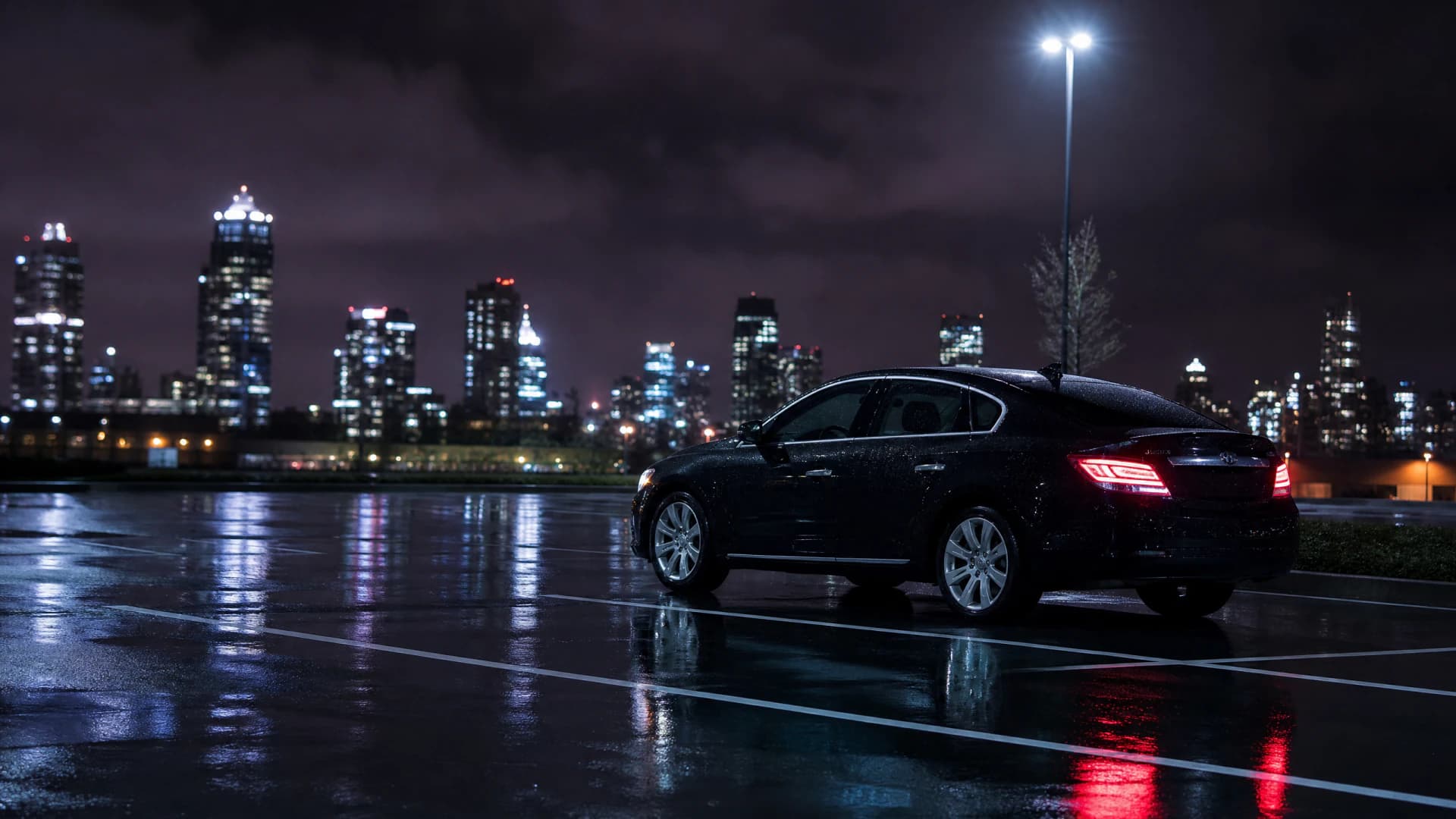
The DMV suspends your license the day it processes the violation report, which may be days or weeks before you receive the suspension notice in the mail.




What Happens If You Drive During the Suspension
Driving on a suspended license is a criminal offense in New York, classified as Aggravated Unlicensed Operation. The charge carries potential jail time, additional fines, and an extended suspension period. If you are stopped while driving on a suspended license, the officer will likely impound your vehicle, and you will be arrested or issued a desk appearance ticket requiring you to appear in court.
Jail time ranges from zero to 30 days for a first offense, up to 180 days for a second offense, and up to 180 days for a third offense. The DMV will also extend your suspension period, adding additional time beyond the original 365 days.
If you need to drive for work, medical appointments, or other essential purposes during the suspension, you may be eligible for a Conditional License or a Restricted Use License. A Conditional License is available only if your suspension resulted from an alcohol or drug-related offense and you enroll in the Impaired Driver Program. A Restricted Use License is available for non-alcohol suspensions and allows driving for enumerated purposes: to and from work, during work if your job requires driving, to and from school, to and from medical appointments, and to and from DMV or probation appointments.
$750
Reinstatement Fee
New York charges a $750 reinstatement fee to restore your license after a suspension for driving without insurance. This fee is in addition to the $50 termination fee and any court fines or penalties.
New York State Department of Motor Vehicles
How to Avoid a Suspension If You Cannot Afford Coverage
If you cannot afford insurance, the correct action is to surrender your vehicle registration and license plates to the DMV before your policy lapses. Surrendering your registration removes the insurance requirement because you are no longer operating the vehicle on public roads. You can store the vehicle on private property without insurance as long as it is not registered.
To surrender your registration, bring your license plates and registration documents to a DMV office. The DMV will issue a receipt confirming the surrender. You will not owe any reinstatement fee or termination fee as long as you surrender the plates before the DMV discovers you drove without insurance. When you are ready to drive again, you must obtain insurance first, then register the vehicle and receive new plates.
What to Do Right Now
If you received a suspension notice, check the suspension start date on the notice. If the suspension has already begun, you cannot drive until you complete the reinstatement process. Contact an insurance carrier or broker immediately to obtain a policy that meets New York's minimum requirements. Once your insurer transmits the electronic notice of coverage to the DMV and issues your Insurance Identification Card, pay the $750 reinstatement fee and the $50 termination fee online or at a DMV office. Keep the payment receipt and your Insurance Identification Card in your vehicle at all times.
If you need to drive during the suspension for work or medical reasons, apply for a Restricted Use License through the DMV. Processing takes several weeks, so apply as soon as you receive the suspension notice. Do not drive until the DMV approves your application and issues the Restricted Use License.
How to Reinstate Your License After a Suspension
First, you must obtain a liability insurance policy that meets New York's minimum requirements. Your insurer will transmit an electronic notice of coverage to the DMV and issue you a New York Insurance Identification Card. You need both the electronic transmission and the physical card to proceed. Some carriers will not write a policy for a driver with a recent suspension for driving without insurance, so you may need to contact multiple carriers or work with a broker who specializes in non-standard auto insurance. Compare carriers licensed to write coverage in New York to find one that will accept your application.
Second, you must pay the $750 reinstatement fee to the DMV. This fee is separate from any fines or penalties imposed by the court if you were also charged with a traffic violation. The reinstatement fee is paid directly to the DMV, either online, by mail, or in person at a DMV office. You will receive a receipt confirming payment. The $50 termination fee is also due at this time and covers the administrative cost of closing the suspension record.
Get Your Free Quote
Get My New York Car Insurance QuoteFrequently Asked Questions
Does New York suspend your license immediately when you are caught driving without insurance?
Yes. The DMV suspends your license the day it processes the violation report filed by the officer who stopped you. The suspension is automatic and begins before you receive the suspension notice in the mail. The suspension lasts 365 days.
How much does it cost to reinstate your license after a suspension for driving without insurance in New York?
This amount is separate from any court fines or penalties. You must also obtain insurance before the DMV will process your reinstatement.
Can you get a hardship license in New York if your license is suspended for driving without insurance?
Yes. New York offers a Restricted Use License for non-alcohol suspensions. You can drive for enumerated purposes: to and from work, during work if your job requires driving, to and from school, medical appointments, and DMV or probation appointments.
What happens if you drive on a suspended license in New York?
Driving on a suspended license is a criminal offense called Aggravated Unlicensed Operation. Penalties include fines up to $500 for a first offense, potential jail time up to 30 days, vehicle impoundment, and an extended suspension period. Repeat offenses carry higher fines and longer jail sentences.
How do you avoid a license suspension if you cannot afford car insurance in New York?
Surrender your vehicle registration and license plates to the DMV before your policy lapses. Surrendering your registration removes the insurance requirement because the vehicle is no longer registered for road use. You can store the vehicle on private property without insurance.