
Car Insurance Coverage Limits — New York
Free to compare
The Minimum Coverage Trap
You just added a second car to your New York policy and your carrier quoted you the state minimum: $25,000 bodily injury per person, $50,000 per accident, $10,000 property damage, plus mandatory PIP and uninsured motorist coverage. The premium looks manageable. But one accident involving either vehicle can blow through those limits before the ambulance arrives, and New York law lets injured parties come after your house, your savings, and your future wages to cover the gap.
The structural reality: New York's minimum liability limits were designed decades ago and have not kept pace with medical costs or vehicle values. Totaling a late-model SUV runs $50,000. Your $25,000-per-person limit covers a fraction of one serious injury, and your $10,000 property damage limit does not come close to replacing the vehicles most New Yorkers drive. When you're insuring multiple cars on one policy, the risk multiplies — more vehicles means more exposure, and the minimum limits do not scale with your household's actual liability.
“New York's $25,000 per-person liability limit has not changed in decades — one broken bone can exceed it.”

Meet New York's Requirements Without Overpaying
Get My New York Car Insurance Quote$25,000
NY Bodily Injury Per Person
New York mandates $25,000 bodily injury coverage per person, $50,000 per accident, and $10,000 property damage as the legal floor. One serious injury routinely exceeds the per-person cap, leaving the at-fault driver personally liable for the remainder.
New York State Department of Financial Services
What New York Actually Requires
New York is a no-fault state, which means your own policy pays your medical bills and lost wages up to your Personal Injury Protection limit regardless of who caused the accident. The state mandates $50,000 in PIP coverage per person. You also must carry uninsured motorist coverage at the same limits as your liability policy — if you carry $25,000/$50,000 liability, you carry $25,000/$50,000 UM. That UM coverage protects you when the other driver has no insurance or insufficient coverage to pay your claim.
The liability minimums — $25,000 per person, $50,000 per accident, $10,000 property damage — cover what you owe to others when you cause an accident. Those limits apply per occurrence, not per vehicle. If your teenager driving your second car causes an accident that injures three people, your $50,000 per-accident cap is the total available to all three victims combined. Medical bills for multiple injured parties exhaust that cap quickly, and New York law allows injured parties to sue you personally for the difference.
New York enforces coverage through a mandatory electronic insurance-verification system. Your insurer transmits an electronic notice of coverage to the DMV, and you carry the NYS Insurance Identification Card as proof. If your policy lapses, the DMV receives an electronic termination notice and can suspend your registration. Reinstatement after a lapse requires proof of coverage plus a $50 termination fee. New York does not use SR-22 certificates — the state's electronic system replaces that filing entirely.
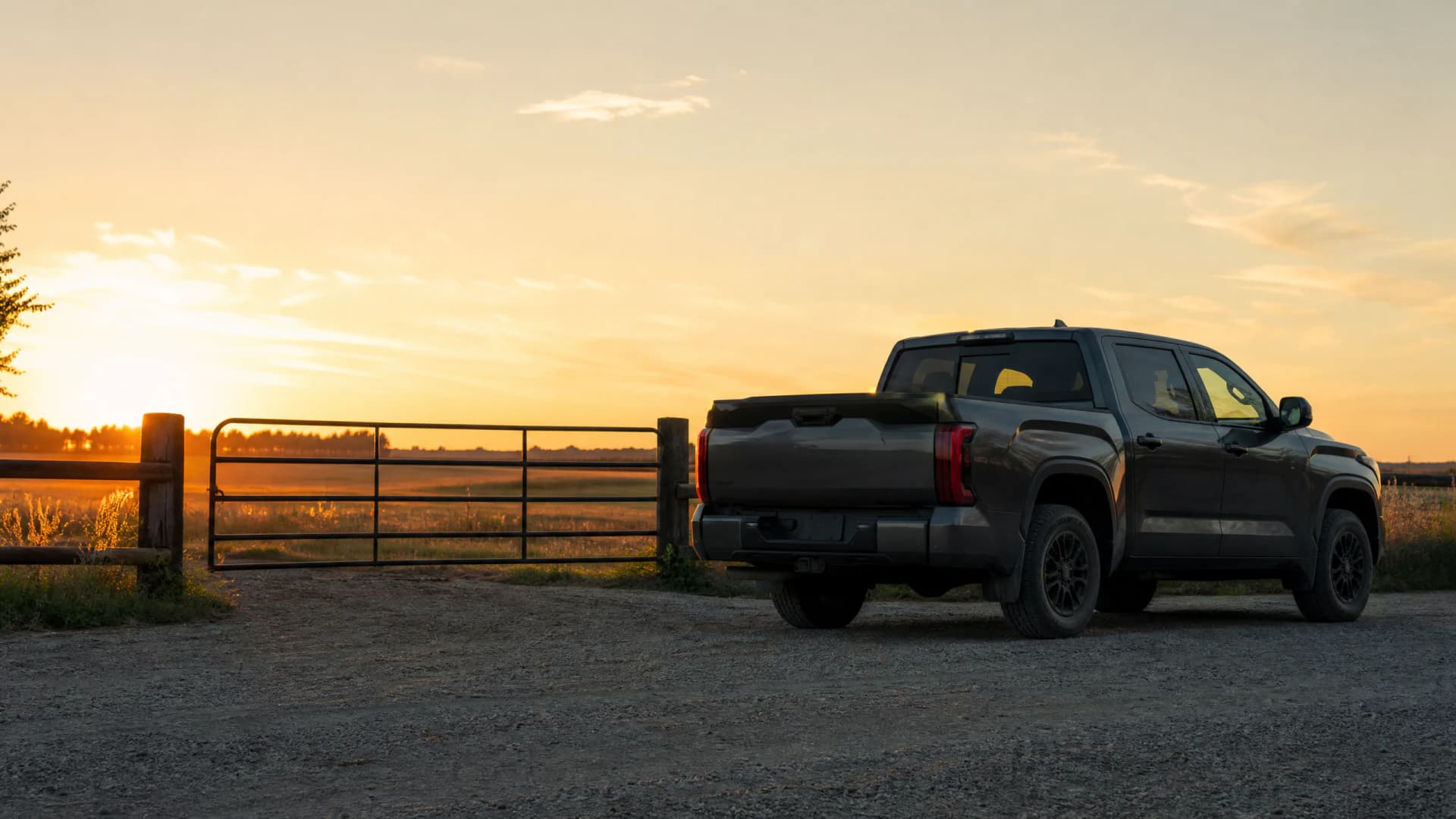
New York's $25,000 per-person liability limit has not changed in decades. One broken bone or concussion can exceed it, leaving you liable for the rest.
Related Articles
Best Car Insurance Companies in New York
7/15/2026
Minimum vs Full Coverage for Multiple Cars NY
7/15/2026

Best Minimum Coverage for Multiple Cars NY
7/15/2026
NY Uninsured Motorist Coverage Requirements
7/15/2026
Liability vs Full Coverage for Multiple Cars NY
7/15/2026

Full Coverage Car Insurance in New York
7/15/2026

Collision and Comprehensive on Multiple Vehicles
Collision coverage pays to repair or replace your vehicle after an accident, regardless of fault. Comprehensive coverage pays for theft, vandalism, weather damage, and animal strikes. Neither is mandatory in New York, but if you finance or lease any vehicle on your policy, the lender requires both. When you own your vehicles outright, the decision hinges on each car's value and your ability to replace it out of pocket.
A common strategy for multi-vehicle households: carry collision and comprehensive with a $500 or $1,000 deductible on your primary vehicles — the cars you drive daily and cannot afford to replace immediately. Keep comprehensive on all vehicles if you park on the street or in areas with higher theft rates — comprehensive premiums are lower than collision, and a stolen car is a total loss regardless of its age.
Deductibles apply per vehicle, per claim. If two of your cars are damaged in the same storm, you pay the deductible twice. Raising your deductible from $500 to $1,000 lowers your premium by 10 to 20 percent on each vehicle, but you must be able to cover that $1,000 out of pocket when a claim happens. For households with three or more vehicles, the cumulative premium savings from higher deductibles can fund an emergency repair fund within two to three years.
8.6%
NY Uninsured Motorist Rate
Roughly 8.6 percent of New York drivers carry no insurance, meaning one in twelve vehicles on the road has no coverage to pay your claim after an at-fault accident. Your uninsured motorist coverage is the only protection when the other driver cannot pay.
Insurance Research Council, 2023

Uninsured and Underinsured Motorist Coverage
New York requires uninsured motorist coverage at the same limits as your liability policy. If you carry $25,000/$50,000 liability, you carry $25,000/$50,000 UM. That UM coverage pays your medical bills, lost wages, and pain-and-suffering damages when an uninsured driver hits you and your PIP limit is exhausted. Roughly 8.6 percent of New York drivers have no insurance — one in twelve vehicles on the road — so UM coverage is not theoretical protection.
You can — and should — raise your UM limits above the state minimum. Underinsured motorist coverage, which pays when the at-fault driver's liability limits are too low to cover your damages, is bundled with UM in New York. If you raise your liability limits to 100/300/100, raise your UM/UIM limits to match.
How Adding Vehicles Changes Your Coverage Structure
When you add a second or third vehicle to your policy, your liability limits apply per occurrence, not per vehicle. That means one accident involving any car on your policy can exhaust your entire liability cap. If your teenager driving your second car causes an accident, the injured parties claim against your household policy's $50,000 per-accident limit — the same limit that covers accidents involving your primary vehicle. More cars do not give you more liability protection; they give you more chances to need it.
Collision and comprehensive premiums, by contrast, are calculated per vehicle. Each car on your policy has its own collision and comprehensive coverage with its own deductible. You can structure different coverage on different vehicles: full coverage on your financed SUV, liability-only on your paid-off sedan. Most carriers offer a multi-car discount that lowers the per-vehicle premium when you insure two or more cars on one policy, but the discount applies to the base rate — it does not change the coverage structure. Compare carriers that write multi-vehicle policies in New York to find the combination of adequate limits and manageable premiums for your household.

Compare Carriers and Lock In Adequate Limits
New York's minimum liability limits leave multi-vehicle households badly exposed. One serious accident can exhaust your $25,000 per-person cap in minutes, and injured parties can sue you personally for the remainder. Raising your liability limits to 100/300/100, matching your UM/UIM coverage to those higher limits, and adding umbrella protection gives your household the coverage that actually scales with your liability exposure. Structure collision and comprehensive based on each vehicle's value and your ability to replace it, and compare carriers that write multi-vehicle policies to find the rates that fit your household. See New York coverage requirements and carrier options to start your comparison.
Coverage That Scales With Your Household
These limits — often written as 100/300/100 — reflect the actual cost of a serious accident in New York.
For households with significant assets — home equity, retirement accounts, investment portfolios — add a personal umbrella policy. Umbrella coverage sits above your auto liability limits and pays claims that exceed your underlying policy. The umbrella kicks in only after your auto liability limits are exhausted, so you need adequate underlying limits — most umbrella carriers require at least 250/500/100 auto liability before they will issue the umbrella.
Get Your Free Quote
Get My New York Car Insurance QuoteFrequently Asked Questions
What are the minimum car insurance requirements in New York?
New York requires $25,000 bodily injury per person, $50,000 per accident, $10,000 property damage, $50,000 Personal Injury Protection, and uninsured motorist coverage matching your liability limits. These minimums apply to every vehicle on your policy, but one serious accident can exhaust them quickly.
Do I need higher liability limits if I insure multiple cars in New York?
Yes. Your liability limits apply per occurrence, not per vehicle — one accident involving any car on your policy can exhaust your entire cap. Raising your limits to at least 100/300/100 and adding umbrella coverage protects your household assets when the state minimum falls short.
What is uninsured motorist coverage and why does it matter in New York?
Uninsured motorist coverage pays your medical bills and damages when an uninsured driver hits you. New York requires UM at the same limits as your liability policy, but roughly 8.6 percent of New York drivers have no insurance. Raising your UM limits above the minimum protects you when the other driver cannot pay.
Should I carry collision and comprehensive on every vehicle on my policy?
Not necessarily. Carry collision and comprehensive on financed vehicles and cars you cannot afford to replace out of pocket. Keep comprehensive on all vehicles if theft is a concern in your area.
How does adding a second car to my policy change my liability coverage?
It does not increase your liability limits — your $50,000 per-accident cap covers accidents involving any vehicle on your policy. Adding a second car gives you more exposure to liability claims, not more protection. Raise your liability limits to match your household's actual risk.
What is a personal umbrella policy and do I need one for multiple vehicles?
A personal umbrella policy sits above your auto liability limits and pays claims that exceed your underlying coverage.